

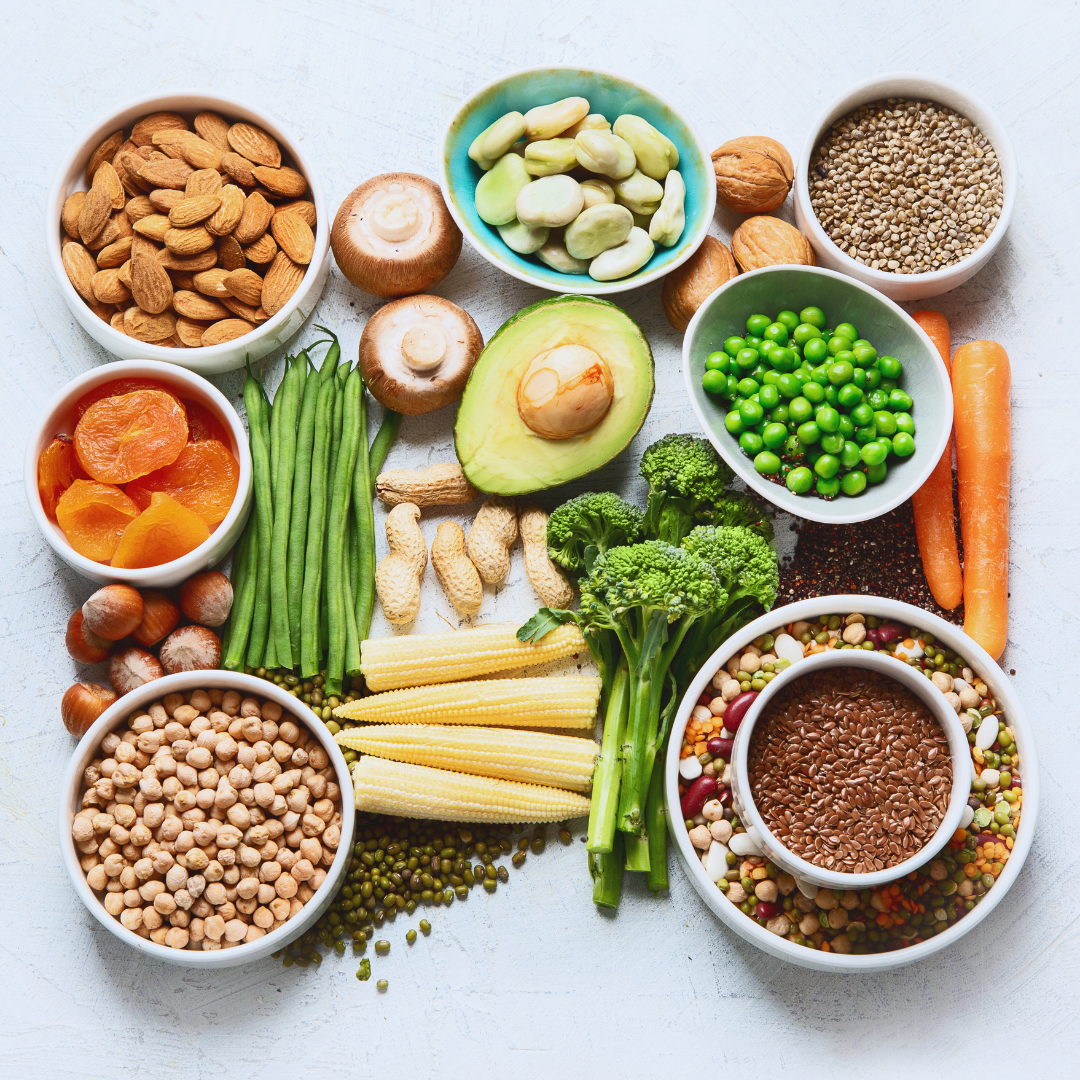
Top Plant-Based Protein Sources for Active Lifestyles: Fueling Your Fitness Journey

An active lifestyle requires sufficient protein intake to support muscle repair and energy levels. Plant-based protein sources can be just as effective for fueling workouts and recovery as animal products. As more individuals shift to a plant-based diet, understanding the best sources of protein becomes essential for maintaining optimal performance.
Legumes, lentils, and chickpeas stand out as excellent choices packed with essential nutrients. Additionally, options like quinoa and tempeh offer complete proteins, making them suitable for those engaged in regular physical activity. Incorporating a variety of these sources can provide not only the necessary protein but also other vital vitamins and minerals that support overall health.
Finding the right plant-based proteins can enhance not just workout performance but also overall well-being. By choosing high-quality sources, individuals can meet their dietary needs while enjoying the benefits of a plant-based diet.
Understanding Plant-Based Protein for Active Lifestyles
Active individuals often seek efficient ways to meet their protein needs while adhering to a plant-based diet. The following sections detail the specific protein requirements, the benefits of plant-based sources for fitness, and the significance of amino acids in diet.
Protein Needs for Active Individuals
Active individuals typically require more protein than those leading a sedentary lifestyle. The general recommendation for protein intake is approximately 1.2 to 2.0 grams per kilogram of body weight per day, depending on the intensity and type of activity. Athletes and those engaged in regular strength training may benefit from higher protein levels.
Meeting these protein needs through plant-based sources is entirely feasible. Foods such as lentils, chickpeas, quinoa, and nuts offer significant protein content. Combining different sources can ensure adequate intake, especially for vegetarians and vegans.
Benefits of a Plant-Based Diet for Fitness
A plant-based diet provides numerous benefits for fitness enthusiasts. It can enhance recovery times, reduce inflammation, and increase energy levels. Rich in antioxidants and fiber, plant foods support overall health, which is vital for active individuals.
Moreover, plant-based diets generally have lower saturated fats, promoting heart health. This can lead to improved cardiovascular performance during physical activities. The variety of flavors and textures available through plant-based offerings also helps maintain interest in meals, making it easier to adhere to healthy eating habits.
Amino Acids and Complete Proteins Explained
Proteins are made up of amino acids, nine of which are essential and must be obtained through diet. Complete proteins contain all nine essential amino acids, which are crucial for muscle repair and growth. While many animal sources are complete proteins, several plant-based options exist.
Quinoa, soy (including tofu and tempeh), and amaranth are considered complete proteins. Combining different plant foods, such as rice and beans, can also create a complete amino acid profile. By being mindful of food combinations, individuals can meet their complete protein needs effectively on a plant-based diet.
Top Plant-Based Protein Sources
Plant-based proteins are essential for those leading active lifestyles. They provide important nutrients to support muscle recovery and overall health. Several sources stand out for their high protein content and versatility in meals.
Beans and Legumes
Beans and legumes are rich in protein and fiber, making them an excellent choice for those seeking plant-based options. Common varieties include black beans, kidney beans, lentils, and chickpeas.
- Protein Content: Cooked lentils offer about 18 grams of protein per cup, while chickpeas provide roughly 15 grams.
- Nutritional Benefits: These foods are also high in iron, folate, and potassium, which contribute to muscle function and recovery.
Including beans and legumes in meals can enhance nutrition. They can be used in salads, soups, or as a meat substitute in various dishes.
Tofu, Tempeh, and Edamame
Tofu, tempeh, and edamame are soy-based proteins that are popular in vegan diets.
- Tofu: Contains about 20 grams of protein per cup. It is versatile and can absorb flavors from any dish, making it suitable for various recipes.
- Tempeh: Offers approximately 30 grams of protein per cup. It’s fermented, which boosts its probiotic content, promoting gut health.
- Edamame: Provides around 18 grams per cup and is a great snack or addition to salads.
These soy products are not only rich in protein but also contain essential amino acids and healthy fats.
Nuts and Seeds
Nuts and seeds are excellent protein sources that also provide healthy fats and fiber. Common choices include almonds, chia seeds, hemp seeds, and quinoa.
- Almonds: Offer around 6 grams of protein per ounce. They are also high in vitamin E and magnesium.
- Chia Seeds: Provide about 5 grams of protein per ounce and are known for their omega-3 fatty acid content.
- Hemp Seeds: Contain roughly 9 grams of protein per 3 tablespoons. They provide a good balance of omega-3 and omega-6 fatty acids.
Incorporating these into diets can enhance protein intake while also supplying essential vitamins and minerals. They can be added to smoothies, and salads, or used as toppings for various dishes.
Adding Plant-Based Proteins to Your Diet
Incorporating plant-based proteins into daily meals can enhance nutrition, support active lifestyles, and provide a variety of flavors. Here are some specific ideas for meals, snacks, and tips to promote better absorption and digestion.
Creative Meal Ideas for Active People
Active individuals can benefit from meals rich in plant-based proteins. Stir-fries make an excellent option, combining tofu or tempeh with a variety of colorful vegetables. This can be served over whole grains like quinoa or brown rice for a balanced meal.
Salad bowls are another flexible choice. They can include chickpeas, lentils, or black beans, topped with an array of vegetables and a tahini dressing.
A savory hummus wrap filled with spinach and roasted chickpeas provides both flavor and nutrition. Experimenting with spices and herbs can elevate dishes further, ensuring variety and taste.
Easy Snacks and Smoothies
Quick snacks will help maintain energy levels throughout the day. Roasted chickpeas or edamame are crunchy choices high in protein and fiber.
For something sweeter, peanut butter with apple slices or knocked back with a banana adds healthy fats and sustenance.
Smoothies serve as another versatile option. Ingredients like spinach, kale, and protein-rich plant milk can be blended with fruits such as bananas and berries. For added protein, consider adding hemp seeds or chia seeds. These combinations ensure both taste and nutrition are met.
Enhancing Protein Absorption and Digestion
Certain strategies can promote better absorption of plant-based proteins. Pairing protein sources with fiber-rich foods aids digestion. Foods like avocados or whole grains provide soluble fiber, which can help maintain gut health.
Including fermented foods in the diet, such as kimchi or sauerkraut, may enhance nutrient absorption due to their probiotic content.
It is also beneficial to stay hydrated, as adequate water intake supports digestive health. Encouraging the consumption of a variety of these foods will contribute to balanced nutrition tailored to an active lifestyle.
Health Benefits of Plant-Based Protein
Plant-based proteins offer several health benefits that can support active lifestyles. These benefits include improved weight management, enhanced immune function, and better heart and metabolic health.
Weight Management and Immune Function
Consuming plant-based proteins can aid in weight management. These proteins are typically lower in calories and saturated fat compared to animal proteins. Foods like lentils, chickpeas, and quinoa also contain fiber, promoting satiety and reducing overall calorie intake.
Additionally, a plant-based diet supports immune function. Many plant proteins are rich in antioxidants and nutrients like magnesium, which help combat oxidative stress in the body. Improved immune function can lead to more effective recovery after workouts and a reduced risk of illness.
Heart, Metabolic, and Cardiovascular Health
Plant-based proteins contribute positively to heart health. They can help lower cholesterol levels, particularly when rich in soluble fiber. Foods such as black beans and oats have been shown to reduce LDL cholesterol, minimizing the risk of cardiovascular disease.
Furthermore, plant proteins are often rich in omega-3 fats, particularly from sources like flaxseeds and chia seeds. These fats help regulate metabolism and support cardiovascular health. They also contain anti-inflammatory compounds that can enhance metabolic function, leading to overall better health.
Other Nutritional Advantages
Plant-based proteins provide other significant nutritional advantages. They are often rich in essential vitamins and minerals that support daily bodily functions. For instance, many legumes provide iron, critical for energy levels and muscle function.
The variety of plant-based proteins available allows for a diverse nutrient intake. Tofu, tempeh, and hemp seeds offer unique amino acid profiles, ensuring comprehensive protein benefits. Including different sources can help meet nutritional needs, especially for those engaged in regular workouts.