

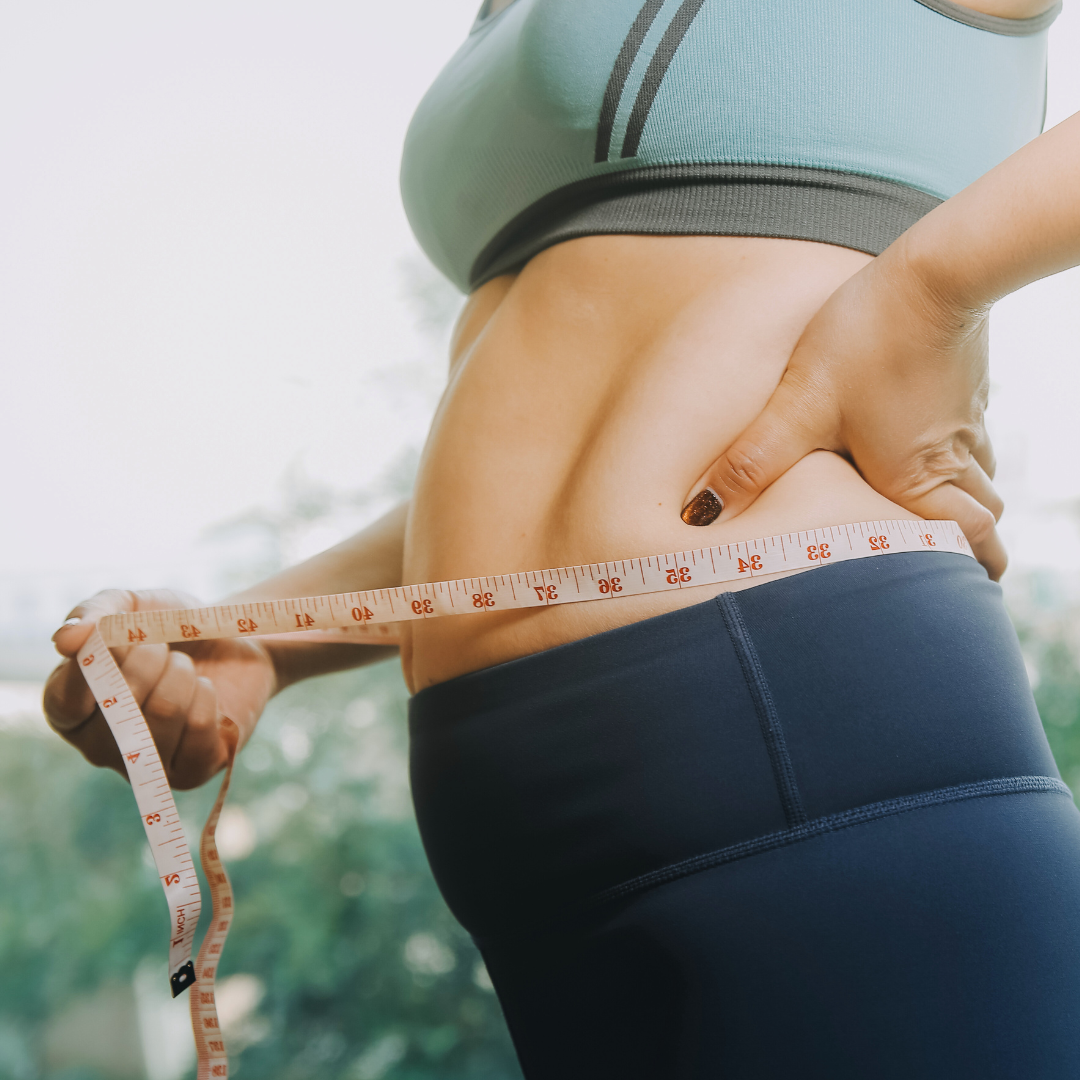
How to Reduce Belly Fat Naturally with Proven Lifestyle Changes

Reducing belly fat naturally involves a combination of diet, exercise, and lifestyle adjustments. The most effective way to lose belly fat is by maintaining a calorie deficit through balanced eating and regular physical activity. This approach targets overall fat loss, including the abdominal area, without relying on quick fixes.
Small changes, such as cutting added sugars and processed foods, can significantly impact fat reduction. Incorporating strength training and aerobic exercises helps increase metabolism and promotes fat burning over time.
Understanding Belly Fat
Belly fat is more than just a cosmetic issue. It involves different types that affect health in various ways and develop due to several distinct factors.
Types of Belly Fat
There are two main types of belly fat: subcutaneous fat and visceral fat. Subcutaneous fat lies just under the skin and is the fat you can pinch. It is less harmful but can affect appearance and comfort.
Visceral fat surrounds internal organs in the abdominal cavity. This fat is more dangerous because it interferes with organ function and releases harmful substances into the bloodstream. It is linked to insulin resistance and inflammation.
Understanding these types helps focus efforts on reducing the more harmful visceral fat for better health outcomes.
Health Risks of Excess Abdominal Fat
Excess belly fat, especially visceral fat, increases the risk of chronic diseases. It is strongly associated with type 2 diabetes, heart disease, stroke, and certain cancers.
Visceral fat releases inflammatory markers and hormones that disrupt metabolism. This can lead to high blood pressure, elevated cholesterol levels, and impaired insulin sensitivity.
People with a large waist circumference are at higher risk, even if their overall weight is normal. Measuring waist circumference is a simple way to assess belly fat-related health risks.
Factors That Cause Belly Fat Accumulation
Several factors contribute to belly fat buildup. A poor diet, high in sugars and refined carbs, promotes fat storage in the abdomen.
Sedentary lifestyle and lack of exercise reduce calorie burning, allowing belly fat to accumulate. Stress triggers cortisol production, which encourages visceral fat storage.
Genetics also plays a role, influencing fat distribution patterns. Age and hormonal changes, especially in women after menopause, increase belly fat.
Balanced Diet Strategies for Belly Fat Reduction
Focusing on nutrient-dense foods while limiting harmful ingredients supports fat loss around the abdomen. Prioritizing fiber, cutting excess sugars, and selecting the right fats and proteins can help regulate weight and improve metabolism.
Incorporating Whole Foods
Whole foods like vegetables, fruits, legumes, whole grains, nuts, and seeds provide essential nutrients and fiber. Fiber promotes satiety, helping control hunger and reduce calorie intake. It also slows digestion, which can stabilize blood sugar levels and minimize fat storage.
Choosing unprocessed options limits added sugars and unhealthy fats commonly found in packaged foods. Emphasizing colorful vegetables and berries ensures a range of antioxidants that support overall health. Swap refined grains for brown rice, quinoa, or oats to increase nutrient density.
Eating whole foods consistently creates a foundation for sustainable fat loss by improving digestion, energy balance, and reducing inflammation linked to belly fat.
Reducing Added Sugar and Refined Carbs
Added sugars and refined carbohydrates contribute to excess calorie consumption and insulin spikes. These insulin fluctuations promote fat storage, particularly in the abdominal region. Cutting back on sugary drinks, sweets, white bread, and pastries helps reduce this effect.
Instead, opt for complex carbohydrates with low glycemic indexes, such as legumes, whole grains, and vegetables. They release glucose slowly, avoiding sharp insulin increases. Replace sugary snacks with nuts, seeds, or fruit to curb cravings while avoiding excess calories.
Tracking intake of fructose-containing sweeteners found in sodas and processed foods is crucial. Reducing these can decrease belly fat and improve metabolic health over time.
Healthy Fats and Protein Intake
Incorporating healthy fats from sources like avocados, olive oil, fatty fish, and nuts supports fat metabolism and hormone regulation. These fats have anti-inflammatory properties and promote satiety, reducing overeating.
Protein intake is vital for preserving lean muscle mass during weight loss. Lean meats, dairy, legumes, and plant-based proteins increase calorie burning through digestion (thermogenesis) and help maintain muscle strength.
A typical daily plan might include:
- Protein: 20-30% of total calories
- Healthy fats: 25-35% of total calories
- Carbohydrates: Remaining balance, focused on complex sources
Balancing these macronutrients aids in maintaining steady energy levels and encourages fat loss from the belly area.
Effective Exercise Approaches
Reducing belly fat requires targeted physical efforts that combine calorie burning and muscle building. Key methods include increasing overall energy expenditure, improving muscle tone, and strengthening abdominal muscles through specific movements.
Cardiovascular Workouts
Cardiovascular exercises increase heart rate and burn calories effectively, helping reduce overall body fat, including belly fat. Activities like brisk walking, running, cycling, swimming, and high-intensity interval training (HIIT) are efficient options.
HIIT alternates short bursts of intense activity with rest, boosting metabolism and fat loss after exercise. Aim for at least 150 minutes of moderate cardio or 75 minutes of vigorous cardio weekly to achieve consistent fat reduction.
Consistency is crucial. Incorporating cardio in daily routines, such as using stairs or brisk walking, supplements, and structured workouts, and enhances fat-burning effects.
Strength Training and Resistance Exercises
Building lean muscle mass through strength training increases resting metabolic rate, allowing the body to burn more calories even at rest. Exercises such as squats, deadlifts, and lunges engage multiple large muscles, promoting fat loss.
Use free weights, resistance bands, or bodyweight exercises to progressively challenge muscles. Aim for 2-3 sessions per week, focusing on the entire body, ensuring major muscle groups are targeted for balanced fat reduction.
Strength training also helps improve posture and muscle definition, which enhances the appearance of the midsection as fat decreases.
Core-Focused Movements
Core exercises strengthen abdominal and surrounding muscles but do not directly burn belly fat. However, building these muscles improves posture, supports overall fitness, and tones the stomach area.
Effective core movements include planks, bicycle crunches, leg raises, and Russian twists. Perform 3-4 sets of 15-20 repetitions or hold planks for 30-60 seconds per set for optimal engagement.
Combine core exercises with cardio and strength training for the best results in reducing visible belly fat and enhancing core strength.
Lifestyle Changes for Sustainable Results
Making small, consistent adjustments in daily habits can greatly affect belly fat reduction. Prioritizing mental and physical health, alongside routine activities, supports long-term progress.
Managing Stress
High stress levels increase cortisol, a hormone linked to fat accumulation around the abdomen. Effective stress management can help control this hormone and prevent unwanted belly fat.
Techniques such as mindful breathing, meditation, and yoga reduce cortisol production. Regular practice for 10-20 minutes daily can create lasting benefits. Additionally, setting realistic goals and maintaining social connections helps lower stress naturally.
Avoid relying on food, especially sugary or high-fat snacks, as a coping mechanism. Instead, establish healthier routines like walking, reading, or hobbies to keep stress responses balanced.
Improving Sleep Quality
Poor sleep disrupts hormones regulating hunger and fat storage, such as ghrelin and leptin. Aim for 7-9 hours of uninterrupted sleep per night to optimize these processes.
Create a consistent bedtime routine. Limit screen exposure an hour before sleep and maintain a cool, dark environment. Avoid heavy meals, caffeine, and alcohol close to bedtime, which interfere with restorative rest.
Tracking sleep patterns can identify disturbances. Small improvements in sleep quality also reduce stress and improve energy for physical activity during the day.
Staying Consistently Active
Regular physical activity boosts metabolism and burns belly fat more effectively than sporadic intense workouts. Engage in at least 150 minutes of moderate aerobic exercise weekly, or 75 minutes of vigorous activity.
Incorporate strength training 2-3 times a week to build muscle, which increases resting calorie burn. Activities like brisk walking, cycling, and swimming are accessible and effective for sustained fat loss.
Balance different exercise forms and try to avoid long sedentary periods. Even short bursts of movement throughout the day contribute to overall fat reduction goals.
Beneficial Natural Remedies and Habits
Adopting practical daily habits and natural remedies can effectively support belly fat reduction. These strategies focus on improving hydration, eating awareness, and tracking progress without relying on extreme diets or supplements.
Drinking Water and Staying Hydrated
Drinking enough water is crucial for optimizing metabolism and reducing belly fat. Aim for at least 8 glasses (about 2 liters) daily, as proper hydration supports digestion and helps curb excessive calorie intake by promoting a feeling of fullness.
Cold water can slightly boost calorie burning as the body expends energy to warm it. Replace sugary drinks and sodas with water to cut unnecessary calories and reduce fat storage. Herbal teas without added sugar are also good alternatives to stay hydrated and support metabolic health.
Mindful Eating Practices
Mindful eating involves paying close attention to hunger and fullness cues to avoid overeating. Chew slowly and focus on the flavors and textures of food. This method helps prevent unconscious snacking or binge episodes, which contribute to belly fat.
Using smaller plates and eating without distractions such as TV or smartphones promotes better portion control. Prioritize balanced meals with proteins, healthy fats, and fiber to maintain satisfaction and stabilize blood sugar, reducing cravings that target the abdominal area.
Tracking Progress Naturally
Keeping a simple food and activity journal helps maintain awareness of eating patterns and lifestyle habits. Record meals, snacks, water intake, and physical activity daily to identify areas needing adjustment.
Regularly measuring waist circumference or noting how clothes fit provides tangible feedback on progress better than relying solely on scales. Focus on consistent, small changes rather than instant results to sustain motivation and avoid frustration.
Common Mistakes to Avoid
Many people focus only on cutting calories drastically, but this can slow metabolism and reduce muscle mass. Instead, aim for a balanced approach with gradual changes.
Relying solely on abdominal exercises is ineffective for reducing belly fat. Spot reduction is a myth; fat loss requires overall body fat reduction through cardio and strength training.
Skipping meals to lose weight often backfires. It can lead to overeating later and disrupt normal metabolism. Consistent, balanced meals are more effective.
Avoid high-sugar and processed foods. These contribute to fat storage, especially around the belly. Choose whole foods like fruits, vegetables, and lean proteins.
Overestimating the effect of supplements can be misleading. No pill or supplement alone will reduce belly fat without proper diet and exercise.
| Mistake | Why to Avoid | Better Approach |
| Extreme calorie cutting | Slows metabolism | Moderate calorie reduction |
| Only doing crunches | Does not reduce belly fat alone | Incorporate full-body exercise |
| Skipping meals | Leads to overeating | Eat regular, balanced meals |
| Eating processed foods | Promotes fat storage | Focus on whole, nutrient-dense foods |
| Relying on supplements | Ineffective alone | Use supplements with diet & exercise |
Long-Term Maintenance and Motivation
Maintaining belly fat reduction requires consistent effort and practical strategies. Focus on setting achievable targets and creating a network that supports healthy habits.
Setting Realistic Goals
Start by defining clear, measurable objectives, such as losing 1-2 pounds per week or reducing waist circumference by half an inch monthly. Avoid extreme or rapid changes that are unsustainable.
Track progress regularly using tools like a journal or app. Adjust goals based on progress and setbacks. This flexibility helps prevent frustration and maintains motivation.
Incorporate small, manageable habits into daily routines, like choosing stairs over elevators or adding 10-minute walks after meals. These actions accumulate and support long-term success.
Building Support Systems
Surround yourself with people who encourage healthy choices. Share goals with friends or family who can offer accountability and motivation.
Join groups or classes focused on nutrition or fitness, either locally or online. Regular interaction with like-minded individuals reinforces commitment.
Consider professional guidance from dietitians or trainers. Structured support can provide personalized advice and boost confidence during challenges.