

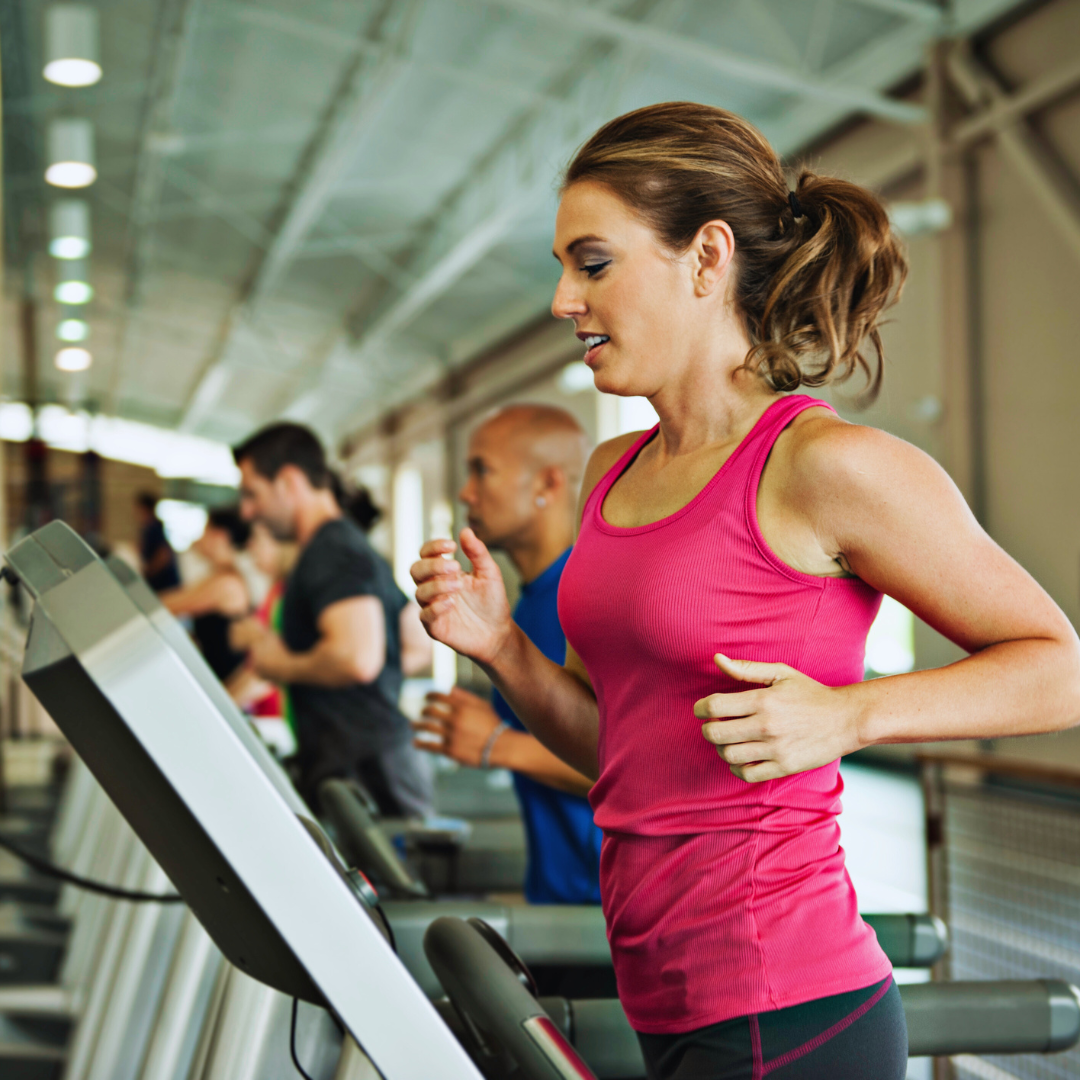
Best Gym Machines for Weight Loss: Effective Equipment to Maximize Fat Burn

When aiming for weight loss, choosing the right gym machines can make a significant difference in your results. The best gym machines for weight loss are those that combine cardiovascular exercise with resistance, such as treadmills, rowing machines, and ellipticals. These machines help burn calories efficiently while also building muscle, which supports a higher metabolism over time.
Using gym equipment that increases your heart rate and engages multiple muscle groups can accelerate fat loss. Machines like the stair climber and stationary bike also offer effective calorie burn with low impact on the joints, making them suitable for various fitness levels. Understanding which machines target weight loss will help you create a focused and productive workout plan.
Understanding Weight Loss and Gym Machines
Weight loss depends on creating a calorie deficit through exercise and diet. Gym machines provide structured ways to increase calorie burn, build muscle, or improve cardiovascular health, all contributing to fat loss.
How Gym Machines Support Calorie Burn
Gym machines help burn calories by providing controlled resistance or movement patterns that activate muscles. Cardio machines such as treadmills, ellipticals, and stationary bikes increase heart rate continuously, promoting sustained calorie expenditure.
Resistance machines engage muscles more intensely, causing the body to consume calories during and after the workout due to muscle repair. Combining both cardio and resistance equipment can maximize total calorie burn.
Using machines encourages regular exercise, which supports a steady calorie deficit and weight loss. Adjustable settings allow users to tailor intensity, making machines suitable for different fitness levels.
Role of Resistance vs. Cardio Equipment
Cardio equipment primarily increases heart rate to improve endurance and burn calories. Examples include rowers, treadmills, and stair climbers. They are efficient for high-calorie burn over longer periods.
Resistance equipment focuses on muscle strengthening through weight or tension. Machines like leg presses, chest presses, and cable systems help build lean muscle mass. More muscle boosts resting metabolic rate, aiding in weight control.
Optimal weight loss routines often combine both cardio for immediate calorie burn and resistance training to increase metabolism and shape the body. Balance depends on personal goals and physical condition.
Safety Considerations for Weight Loss Workouts
Correct form and machine settings are critical to avoid injury. Improper use can strain muscles or joints, slowing progress. Beginners should start with lighter weights and lower intensity.
Warm-up and cool-down periods reduce the risk of muscle soreness and tears. Regular hydration and proper footwear also contribute to safe workouts.
Listening to your body is essential; pain signals often indicate a need to stop or modify exercises. Consulting gym staff or trainers can ensure machine use aligns with individual fitness and health levels.
Top Cardio Machines for Effective Weight Loss
Effective weight loss depends on machines that help maximize calorie burn, engage multiple muscle groups, and suit your fitness level. Choosing the right equipment can increase workout intensity while minimizing injury risk.
Treadmills for High-Calorie Burn
Treadmills offer one of the highest calorie burns among cardio machines due to natural walking and running motions. Running at a moderate pace (5-6 mph) burns approximately 600-800 calories per hour, depending on weight and fitness.
Incline settings increase intensity without higher speed. Walking or running uphill engages glutes, hamstrings, and calves, boosting calorie usage. Interval training on treadmills, alternating sprint and recovery periods, amplifies fat burn.
Treadmills suit all fitness levels. Beginners can start with walking and progress to running. They also improve cardiovascular conditioning and build lower-body strength simultaneously.
Elliptical Machines for Low-Impact Workouts
Ellipticals provide a low-impact alternative that reduces stress on joints while still delivering effective calorie burn. Typical elliptical workouts burn 500-700 calories per hour.
This machine mimics running but with fluid gliding movements, making it ideal for users with joint concerns or injuries. Most models include handles for upper-body engagement, enabling full-body calorie expenditure.
Adjustable resistance and incline allow customization to increase workout difficulty. Cross-training on ellipticals helps avoid overuse injuries common in running and supports sustained weight loss efforts.
Rowing Machines for Full-Body Training
Rowing machines combine cardiovascular training with strength work, engaging legs, core, and upper body. This full-body motion can burn 600-900 calories per hour, depending on effort and technique.
A proper rowing stroke involves pushing with legs, leaning back, and pulling with arms, maximizing muscle recruitment. This balanced approach improves muscle tone while boosting metabolism.
Rowing offers low-impact exercise, making it accessible for various fitness levels. It also helps improve posture and core stability alongside weight loss benefits.
Stair Climbers for Intensity and Results
Stair climbers focus on the lower body, delivering intense workouts that burn around 500-700 calories per hour. Climbing stairs mimics real-life movements, strengthening glutes, quads, hamstrings, and calves.
The machine’s stepping action supports cardiovascular health and muscular endurance. Adjusting speed and stepping height can raise the workout’s intensity, further increasing calorie burn.
Though high-impact, stair climbers are manageable with proper form and pacing. They excel in targeting fat loss in the lower body and building muscular strength simultaneously.
Best Resistance Machines to Boost Fat Loss
Resistance machines target specific muscle groups effectively, helping increase metabolic rate and burn fat. Focused strength training combined with controlled movement enhances muscle growth, which in turn supports fat loss over time. Using these machines correctly minimizes injury risk while maximizing workout efficiency.
Leg Press Machines for Lower Body Strength
The leg press machine isolates the quadriceps, hamstrings, and glutes, allowing for controlled lower-body strength development. This machine supports fat loss by raising your calorie burn through large muscle group engagement. Adjust seat position and weight to maintain proper form and avoid knee strain.
Performing leg presses with moderate to heavy resistance for 8-12 repetitions builds muscle endurance and strength. This improves metabolic function, assisting fat loss even during rest periods. Prioritize slow, controlled movements and a full range of motion.
Seated Chest Press for Upper Body Engagement
The seated chest press targets the pectorals, deltoids, and triceps, effective muscles for upper body fat loss. It is suitable for all fitness levels due to its guided motion and adjustable resistance. Proper technique requires keeping back flat against the pad and pushing evenly.
Using higher reps with moderate weights (12-15 repetitions) supports muscular endurance and calorie burning. This machine helps maintain balance in upper body strength, which is essential for overall physical health and effective fat loss programs.
Lat Pulldown Machines for Back & Arms
Lat pulldown machines work the latissimus dorsi, biceps, and upper back muscles, important for upper body strength. Strengthening these muscles increases the caloric expenditure during exercise and improves posture. Maintain a controlled tempo and avoid using momentum to maximize muscle engagement.
Proper grip and posture prevent injury and ensure the right muscles are targeted. Aim for 10-12 repetitions with progressive resistance to promote muscle growth, which supports a higher metabolic rate, aiding fat loss efforts.
Combining Cardio and Strength Equipment
Effective weight loss requires balancing cardiovascular exercise with strength training. Combining these two types of equipment can improve calorie burn and promote muscle growth, helping increase metabolism.
Suggested Circuit Training Routines
Circuit training alternating between cardio and strength machines maximizes workout efficiency. For example, start with 5 minutes on the treadmill at moderate intensity, followed by 10 minutes on a leg press machine focusing on controlled reps. Repeat with 5 minutes on the rowing machine and 10 minutes of upper body strength training using the chest press.
Aim for three to four circuits, with 30-second rest intervals. This approach keeps heart rate elevated while targeting multiple muscle groups. Adjust resistance and speed to match fitness levels, increasing as endurance and strength improve. Consistency and progression are key to seeing results.
Alternating Machine Use for Maximum Results
Switching between cardio and strength machines during a single session prevents plateaus. Use cardio machines like the elliptical or stationary bike for 10 minutes, then transition to strength machines targeting large muscle groups, such as the leg curl and lat pulldown.
Alternate every 8 to 12 minutes to maintain intensity and engage different energy systems. This strategy supports fat loss by combining steady calorie burn with muscle preservation. Tracking progress and varying machines helps avoid monotony and promotes balanced fitness development.
Choosing the Right Gym Machines for Your Goals
Selecting gym machines requires understanding your current abilities and the specific results you want to achieve. Consider your stamina, strength, and any physical limitations, then focus on the machines that align with your target fat loss and muscle engagement.
Assessing Your Fitness Level
Evaluate your cardiovascular endurance and muscle strength before choosing machines. Beginners may benefit from low-impact machines like ellipticals or stationary bikes to avoid injury and build stamina.
If you have joint issues, prioritize machines that reduce stress on knees or hips. Assess your balance and coordination to decide whether machines with guided motion are safer.
Track your current workout capacity, such as how long you can sustain moderate activity or how much resistance you manage. This helps in setting realistic machine settings and progression goals.
Matching Machines to Weight Loss Objectives
For calorie burning, machines like treadmills and rowers offer high-intensity cardio workouts. To combine fat loss with muscle toning, consider strength-based machines targeting large muscle groups.
Use machines that allow variable resistance; higher intensity boosts metabolic rate and fat burn. For steady fat loss, focus on machines supporting sustained effort, like the elliptical with adjustable incline.
If increasing lean muscle mass is part of your goal, integrate weight machines such as leg presses or cable rows. Adjust workout duration and intensity based on your target weekly calorie deficit.
Common Mistakes to Avoid with Weight Loss Machines
Using weight loss machines effectively requires attention to how you perform exercises and the variety in your workout routine. Avoiding certain errors can enhance results and prevent injury.
Improper Use and Poor Form
Incorrect posture and movement often reduce the effectiveness of weight loss machines. For example, leaning too far forward on a stationary bike or locking your knees on an elliptical can strain joints without maximizing calorie burn.
Machines are designed to target specific muscle groups. Using them improperly can lead to muscle imbalances or injury. Always adjust the settings, like seat height or resistance, to match your body.
Pay attention to controlled, consistent motions rather than rushing. This not only protects your joints but also improves muscle engagement and calorie expenditure. Asking a trainer for guidance on form is a wise investment.
Relying Solely on One Type of Machine
Using only one machine limits the range of muscles worked, slowing progress. For weight loss, engaging different muscle groups increases overall calorie burn and metabolic rate.
Cycling only on a bike, for instance, neglects the upper body muscles. Incorporating a mix of machines—like treadmills, rowers, and ellipticals—provides balanced exercise.
Overuse of one machine can also cause repetitive strain injuries. Varying your workouts reduces this risk. Aim to alternate machines and combine cardio with strength-focused equipment to maximize fat loss.
Advanced Tips for Maximizing Calorie Expenditure
Focusing on exercise intensity and recovery phases can significantly boost calorie burn. Efficient workout structures and timing your efforts properly help to push fat loss further.
Utilizing Interval Training Techniques
Interval training alternates between periods of high-intensity effort and low-intensity recovery. For example, sprinting for 30 seconds, then walking for 90 seconds, repeated over multiple cycles, maximizes calorie use.
This method increases your heart rate quickly and keeps it elevated even during recovery, resulting in more calories burned overall. It also improves cardiovascular fitness and metabolic rate, making fat loss more efficient.
Modify intervals based on your fitness level. Beginners may start with shorter high-intensity periods and longer rest, while advanced users can increase intensity and reduce rest for greater calorie expenditure.
Incorporating Machine-Based HIIT Workouts
High-Intensity Interval Training (HIIT) on gym machines like treadmills, ellipticals, or stationary bikes is practical and effective. For example, a 20-minute HIIT session might include 40 seconds of intense effort followed by 20 seconds of light activity.
This format allows controlled resistance and speed adjustments, ensuring you hit target intensity levels. Using machines reduces injury risk compared to outdoor sprints and keeps form consistent.
To maximize benefits, vary machine resistance every few intervals. Include multiple machines for a full-body calorie burn and avoid plateaus. Monitor intensity through heart rate or perceived exertion to stay in the optimal fat-burning zone.