

How to Organize Your Home for a Healthier Lifestyle: Simple Steps for Lasting Change

A cluttered home can significantly impact physical and mental well-being. Organizing living spaces fosters a healthier lifestyle by promoting mindfulness, reducing stress, and encouraging better habits. Simple changes like decluttering, creating functional spaces, and establishing routines can lead to lasting benefits for overall health.
Many people may not realize how their environment affects their choices. A well-organized home not only enhances the aesthetic appeal but also encourages an active lifestyle. Clean, dedicated spaces for exercise, cooking, and relaxation help individuals make more mindful decisions throughout their day.
By implementing effective organization strategies, anyone can transform their home into a sanctuary for well-being. This post will outline practical steps to declutter and streamline living areas, making it easier to adopt and maintain a healthier lifestyle.
The Health Impact of an Organized Home
An organized home significantly enhances health and wellness. By reducing clutter, improving air quality, and supporting mental well-being, a tidy space creates an environment conducive to a healthier lifestyle.
Reducing Clutter and Stress
Clutter can lead to increased stress and anxiety. A disorganized home often feels chaotic, distracting individuals from daily tasks. Decluttering not only frees up physical space but also helps clear the mind.
By implementing storage solutions and maintaining regularly organized areas, individuals can minimize clutter. This proactive approach leads to easier access to needed items, which reduces frustration and creates a sense of control and calm.
Studies indicate that individuals living in organized spaces report lower levels of stress. A simplified environment fosters relaxation, promoting better decision-making and overall health.
Improving Air Quality and Freshness
An organized home can enhance air quality significantly. Clutter often accumulates dust, allergens, and mildew, which can worsen respiratory conditions. Regular cleaning and organization help eliminate these pollutants, resulting in fresher air.
Encouraging proper ventilation is vital. Opening windows and using air purifiers in organized spaces promotes circulation and maintains clean air. This approach supports physical health and provides an invigorating living environment.
Incorporating plants into the home also aids in improving air quality. Certain indoor plants can filter toxins and increase the oxygen level, further benefiting overall wellness.
Supporting Mental Health and Wellbeing
An organized living environment contributes positively to mental health. Clear spaces can enhance focus and productivity, while chaotic surroundings can cause distractions.
Creating designated areas for work, relaxation, and hobbies makes it easier to mentally transition between activities. Such boundaries can reduce feelings of overwhelm, fostering a healthier mindset. Additionally, a tidy home reflects an individual’s ability to care for themselves, which can elevate self-esteem. Regularly organizing spaces can instill a sense of accomplishment, positively impacting overall mental well-being.
Now, it’s worth noting that location can play a significant role in supporting a balanced and fulfilling lifestyle, influencing access to amenities, community engagement, and overall convenience. For individuals seeking spaces that foster productivity, relaxation, and personal growth, starting with the right location is key. For example, if someone is considering areas like McLean, they can explore resources regarding things to do in mclean va to identify neighborhoods and opportunities that align with their lifestyle goals.
Room-by-Room Strategies for Organizing Your Home
Organizing the home effectively supports a healthier lifestyle by enhancing productivity, promoting relaxation, and maintaining cleanliness. Specific strategies can transform different areas, ensuring each space serves its purpose efficiently.
Creating Practical Workspaces for Productivity
A well-organized home office is essential for productivity. Start by designing functional workspaces with minimal distractions. Use a dedicated desk of appropriate height and ensure good lighting, preferably natural light.
Storage solutions are crucial. Utilize shelves, cabinets, and trays to keep files and supplies organized. Consider a minimalist approach; keep only essential items on the desk.
Incorporate technology thoughtfully. Use cable organizers to prevent tangling. Tools such as a precision pour cap for liquid supplies help maintain an orderly system, keeping clutter at bay.
Optimizing the Bedroom for Sleep and Relaxation
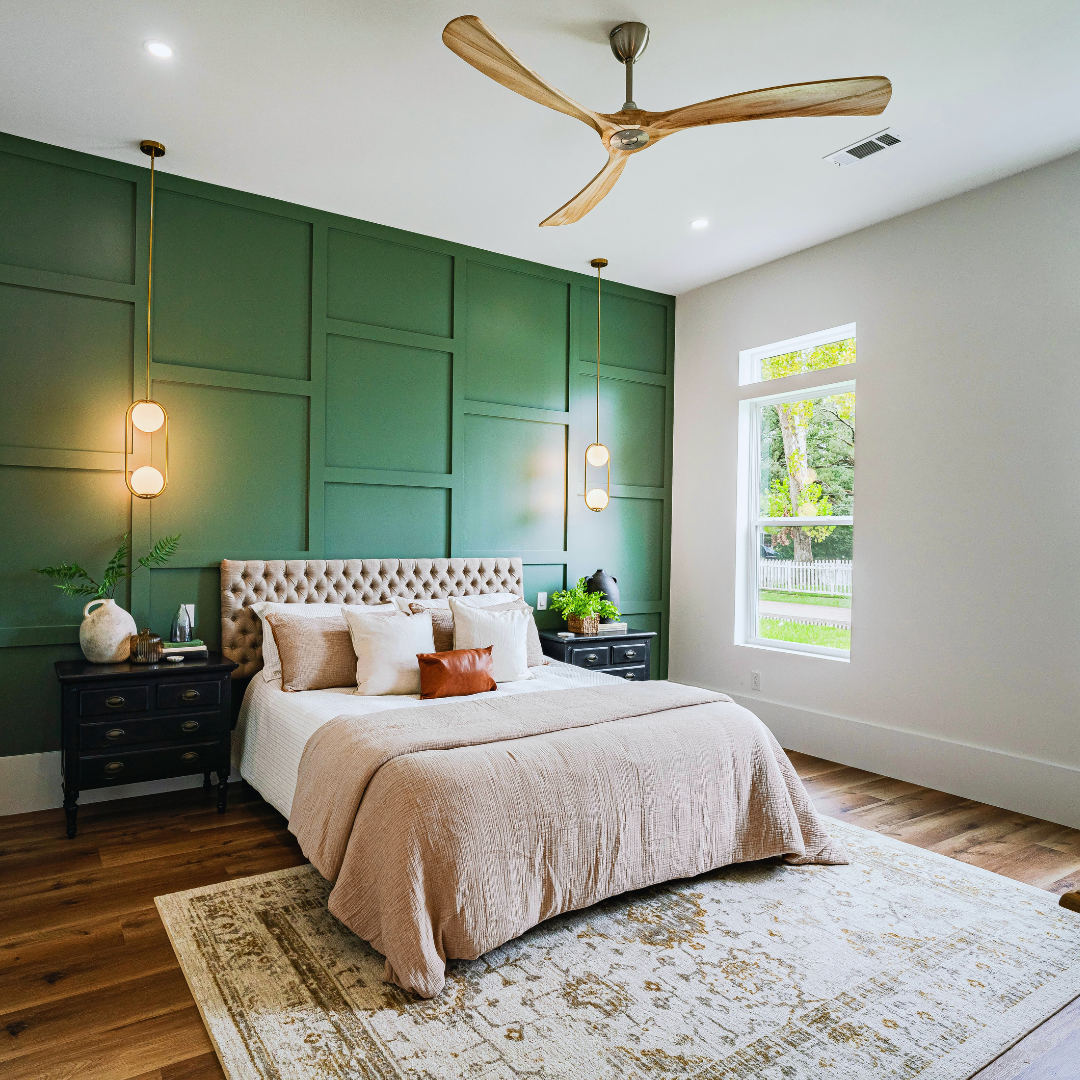
The bedroom plays a crucial role in ensuring restful sleep. Prioritize the arrangement of bedding and furniture. A minimalist approach works well here; remove unnecessary items that create chaos.
Choose calming colors for walls and decor, as they contribute to a tranquil atmosphere. Keep items like books and electronics in designated areas. Limiting blue light from devices can improve sleep quality.
Storage solutions under the bed or in drawers can declutter the visual space, promoting relaxation. Consider using fabric bins to store seasonal items neatly and out of sight.
Decluttering and Organizing Shared Spaces
Shared spaces can quickly become cluttered. Implement a routine for regular decluttering. Schedule quick clean-ups weekly to address accumulating items.
Designate specific storage areas for each family member’s belongings, and use labeled baskets or bins in common areas to help everyone stay organized. For larger or seasonal items that aren’t needed every day, consider using storage units near you to free up space at home while keeping things easily accessible.
Beyond general household items, many homeowners find themselves needing space for larger possessions that don’t fit in a garage or driveway. This is particularly true for recreational vehicles, boats, or extra cars that are used seasonally or less frequently. Utilizing dedicated facilities can prevent clutter at home and ensure these valuable assets are kept secure and well-maintained. For those in specific regions, finding local self storage services designed for such needs can be an ideal solution, offering features like drive-up access and enhanced security. This approach allows families to enjoy their hobbies without sacrificing precious living space.
Incorporate multi-functional furniture, such as ottomans with storage, to maximize space. This approach keeps the area tidy and provides a place for relaxation while maintaining easy access to essentials.
Smart Laundry Room Organization
An organized laundry room makes managing laundry duties simpler. Start with organization solutions like open shelving for laundry supplies and labeled bins for sorting clothes.
Furthermore, incorporating cabinetry, for instance, provides a seamless way to maximize vertical storage and conceal items, leading to a more streamlined and less cluttered appearance. For those seeking to combine practical storage with elegant design, exploring options for cabinets for your laundry room offers a solution. These built-in systems can be customized for specific needs, from housing appliances to organizing detergents and linens.
Consider using a precision pour cap on laundry detergent bottles to minimize spills. Create a designated space for washing workout clothes, keeping different fabrics separated for care.
Maintaining a clear area for folding and arranging clean laundry is essential. This structure helps establish a laundry routine that becomes a seamless part of home life. Adding decor elements can personalize the space without causing clutter.
Design Solutions for a Healthier Living Environment
Creating a healthier living environment involves thoughtful design solutions that incorporate natural elements, promote cleanliness, and encourage organization. Key areas to focus on include optimizing natural light and airflow, integrating indoor plants, and utilizing open shelving with effective labeling.
Incorporating Natural Light and Airflow
Maximizing natural light can significantly enhance mood and energy levels. Large windows or skylights allow sunlight to stream into living spaces, reducing the need for artificial lighting.
Proper ventilation is equally vital. Utilizing operable windows helps circulate fresh air, preventing indoor pollutants from accumulating.
Consider design elements like transom windows or ventilation fans that maintain airflow without compromising aesthetics. The use of lighter color palettes can also reflect more light, making spaces feel open and inviting.
Using Indoor Plants and Biophilic Elements
Integrating indoor plants into design promotes a stronger connection to nature, a core principle of biophilic design. Plants such as snake plants, peace lilies, and pothos improve air quality by filtering toxins and boosting humidity.
Incorporate natural materials like wood and stone to enhance this organic feel. Living walls or strategically placed plant pots can create focal points while improving mental well-being.
A well-considered placement of greenery can lead to reduced stress and improved concentration. Regularly caring for plants can also promote mindfulness in daily routines.
Integrating Open Shelving and Labeling
Open shelving fosters accessibility and organization, making it easier to maintain a tidy environment. This approach encourages individuals to be more intentional about what they display and keep visible.
Using baskets or containers for grouping items can enhance aesthetics while promoting organization. Proper labeling of these containers helps in locating items quickly and maintaining order.
Materials like wood or metal enhance the durability and style of shelving units. When paired with natural decor items, open shelving can greatly contribute to a visually calming atmosphere.
Maintaining an Organized Home for Lasting Health Benefits
Creating and sustaining an organized home significantly contributes to a healthier lifestyle. Key strategies involve establishing daily routines, collaborating with professional organizers, and implementing systems that help maintain order over time.
Building Healthy Daily Habits
To foster lasting organization, it is essential to build healthy daily habits. This can start with a simple morning routine that includes making the bed and tidying up personal spaces.
Incorporating a 15-minute decluttering session each day can keep spaces manageable. Setting specific times for cleaning and organizing tasks creates predictability.
Using checklists for chores promotes accountability and progress tracking. Reward systems can also motivate continued adherence to these habits.
These daily practices contribute to a more organized environment, impacting physical and mental well-being positively.
Working with Professional Organizers
Engaging a professional organizer can streamline the process of organizing the home. These experts assess individual needs and develop tailored solutions, making the task less overwhelming.
Professional organizers often use techniques that maximize space efficiency. They focus on categorizing items, which simplifies finding and using possessions.
A session with a professional can also teach clients valuable skills for future organization. This knowledge ensures households remain clutter-free.
Investing in expert help can result in a well-thought-out organization system, significantly enhancing home functionality.
Staying Organized Over Time
Maintaining an organized home demands ongoing effort. Setting up a simple system for regular review can help.
Establish designated spots for frequently used items. This practice prevents clutter from building up.
Creating seasonal decluttering events can also keep spaces fresh and organized. During these occasions, individuals can reassess what they own and eliminate unnecessary items.
Furthermore, adopting a “one in, one out” rule can minimize accumulation. This means that for every new item brought into the home, one must be removed.
Implementing these strategies fosters a sustainable organized environment, enhancing long-term health benefits.