

How to Improve Squat Form Fast for Better Strength and Injury Prevention

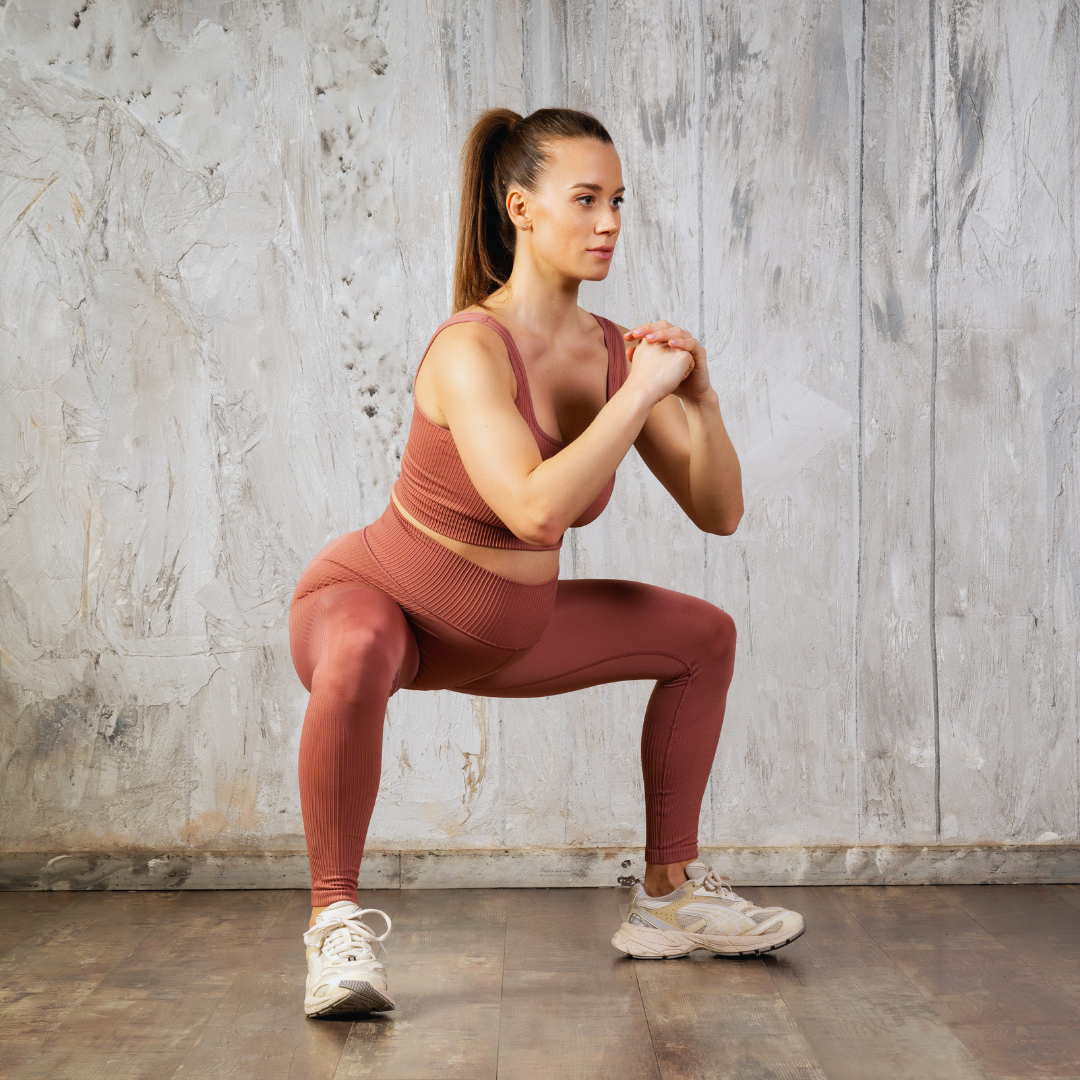
Improving squat form quickly is about focusing on key adjustments that ensure safety and effectiveness. The fastest way to improve your squat form is to correct your posture by keeping your chest up, knees tracking over your toes, and engaging your core throughout the movement. These changes help distribute weight properly and prevent common errors.
Paying attention to mobility and practicing consistent, intentional reps also accelerates progress. Simple tweaks like adjusting your foot position and depth can make a noticeable difference in how your squat feels and performs.
Understanding Proper Squat Mechanics
Proper squat mechanics depend on body positioning, joint movement, and muscle engagement. Key factors include maintaining spinal alignment, controlling knee tracking, and optimizing hip movement. These elements work together to maximize efficiency and reduce injury risk.
Anatomy of an Effective Squat
An effective squat involves coordinated action between the hips, knees, and ankles. The hips should hinge back as you descend, with knees tracking over the toes but not extending past them.
The spine stays neutral, avoiding excessive rounding or arching. Core muscles stabilize the torso, engaging the abdominals and lower back. Glutes and quadriceps generate the primary force to rise.
Foot placement is also crucial. Feet should be shoulder-width apart or slightly wider, with toes angled out around 15-30 degrees. This stance supports natural hip rotation and balance.
Common Squat Mistakes
Common errors include letting the knees cave inward, lifting heels off the floor, and leaning too far forward. Knee valgus (inward collapse) strains ligaments and reduces power output.
Heels lifting shifts weight to the toes, destabilizing the squat and increasing ankle stress. Leaning forward excessively places undue load on the lower back, risking injury.
Other mistakes are shallow depth and loss of spinal neutrality. Not reaching parallel or below the limits of muscle activation. Maintaining a neutral spine prevents stress on vertebrae and intervertebral discs.
The Role of Mobility and Flexibility
Hip, ankle, and thoracic spine mobility directly affect squat form. Limited ankle dorsiflexion causes heels to rise or shifts weight forward. Tight hip flexors and adductors restrict depth and proper knee tracking.
Thoracic spine flexibility allows a more upright torso, reducing lower back strain. Stretching and dynamic warm-ups targeting these areas improve movement range and activate necessary muscles.
Regular mobility work supports better posture, control, and injury prevention during squats. Prioritize exercises like ankle dorsiflexion stretches, hip openers, and thoracic rotations to enhance flexibility.
Essential Steps to Improve Squat Form Fast
Improving squat form requires attention to foot placement, core engagement, and back alignment. These elements work together to enhance stability, prevent injury, and maximize performance.
Setting Up Correct Foot Position
Start with feet shoulder-width apart or slightly wider, depending on your comfort and hip mobility. Toes should point slightly outward, about 15 to 30 degrees, allowing for natural knee tracking during the squat.
Ensure your weight is evenly distributed across the heels and midfoot, avoiding excessive pressure on the toes. This promotes balance and helps prevent forward lean.
Check your stance by performing a bodyweight squat in front of a mirror. Adjust foot angle and width to avoid knee collapse or excessive outward movement.
Engaging the Core for Stability
Activate your core by bracing your abdominal muscles as if preparing for a punch. This tightness supports the spine under load and helps maintain a neutral position through the squat.
Breathing technique is key—take a deep breath before descending and hold it to create intra-abdominal pressure. Exhale only after completing the ascent.
Practice core engagement with planks or hollow holds to build strength and improve your squat stability.
Maintaining Proper Back Alignment
Keep your spine neutral by avoiding excessive rounding or arching in the lower back. A slight natural curve is ideal.
Focus on keeping your chest up and shoulder blades pulled slightly together. This posture maintains upper back tension and discourages forward lean.
Use cues like “spread the floor with your feet” to engage the hips and support proper spinal alignment. Avoid looking too far up or down; a neutral head position aligns the cervical spine.
Optimizing Technique for Rapid Progress
Proper squat technique hinges on precise control of movement, efficient breathing, and joint alignment. Focusing on these elements can significantly speed up improvements in form and performance.
Depth and Range of Motion
Achieving the right squat depth is crucial. Ideally, aim for the hips to drop below parallel with the knees, which engages more muscle groups and improves strength gains.
Partial squats limit activation and may increase injury risk. Use a mirror or record your form to ensure consistent depth. Mobility work, especially hip and ankle stretches, often helps achieve the required range safely.
Avoid forcing depth if it causes pain. Gradual improvement through mobility and technique adjustments prevents setbacks and reinforces good habits.
Breathing Techniques During Squats
Effective breathing stabilizes the core and supports spinal alignment during squats. Inhale deeply before descending to create intra-abdominal pressure.
Hold the breath through the bottom phase (Valsalva maneuver), then exhale steadily while rising. This pattern enhances stability and power output.
Avoid shallow or rapid breathing, which compromises control and increases injury risk. Practice with light weights or bodyweight squats to master timing and breath control.
Correct Knee Tracking
Knee tracking affects joint safety and squat efficiency. Knees should follow the line of your toes throughout the movement.
Allowing knees to cave inward (valgus collapse) stresses ligaments and reduces force transfer. To correct this, focus on driving knees outward using hip external rotation cues.
Strengthening glute muscles supports proper tracking. Use mini-bands during warm-ups or squats to promote knee alignment. Monitoring with a mirror or video helps maintain awareness.
Effective Warm-Up and Mobility Drills
Preparing your muscles and joints with targeted exercises improves squat depth and stability. Prioritize movements that activate key muscle groups while increasing the range of motion in the hips and ankles.
Dynamic Movements for Squat Preparation
Dynamic drills such as leg swings, walking lunges, and bodyweight squats prime the muscles for proper form. They increase blood flow and stimulate the nervous system for better coordination.
Perform leg swings front-to-back and side-to-side for 10-15 reps per leg. This loosens hip flexors and abductors. Follow with walking lunges over 10-15 yards, focusing on controlled depth and balance. Finish with 15-20 slow bodyweight squats to engrain the movement pattern.
Use controlled tempo and a full range of motion during all drills to activate glutes, quads, and hamstrings. These dynamic exercises reduce stiffness and improve squat mechanics quickly.
Active Stretching for Hips and Ankles
Active stretches improve mobility and prepare joints for the load during a squat. Focus on hip flexors, glutes, and ankle dorsiflexion for better squat depth and alignment.
Try the 90/90 hip stretch: sit with one leg bent in front and the other behind, then lean forward or twist to increase hip mobility. Hold for 20-30 seconds and switch sides.
For ankles, use ankle pumps and heel-toe rocks to activate dorsiflexion and plantarflexion. These improve squat stability by allowing proper shin tracking over the toes.
Incorporating these active stretches into your warm-up routine enhances joint flexibility without losing muscle engagement, critical for fast improvement in squat form.
Incorporating Feedback and Progress Tracking
Accurate feedback and consistent tracking are essential to improving squat form quickly. Using tools to assess technique and making adjustments based on observations helps develop muscle memory and correct errors efficiently.
Using Video Analysis for Form Assessment
Recording squat sessions from multiple angles allows for a detailed review of body positioning. Focus on knee alignment, back angle, and depth. Slow-motion playback makes it easier to spot issues like knee valgus or excessive forward lean.
Use apps or software with annotation features to mark problem areas. Compare current videos to previous ones to monitor improvements. Sharing videos with a coach or experienced lifter provides objective input.
Set a schedule for regular video reviews, such as weekly or biweekly, to create a habit of self-assessment. This method also helps identify patterns that may be missed in the moment.
How to Adjust Technique Based on Feedback
After identifying faults, prioritize one or two corrections at a time to avoid overwhelm. For example, if knees collapse inward, focus on hip activation exercises and cuing “push knees out” during the squat.
Use targeted drills and modify foot positioning or stance width if needed. Implement corrective exercises like banded walks or wall squats to reinforce proper mechanics.
Track changes in form through subsequent videos and note sensations during the lift. Adjust weights accordingly to maintain control while reinforcing good patterns. Consistent, deliberate adjustments produce more reliable progress than sudden, broad changes.
Choosing the Right Footwear and Equipment
Selecting proper footwear is essential for maintaining balance and stability during squats. Shoes with a flat, firm sole provide a solid base and prevent unwanted foot movement. Weightlifting shoes with a slight heel raise can help improve ankle mobility and allow for deeper squats.
Avoid running shoes or cushioned sneakers, as these can cause instability. A stable shoe improves force transfer and reduces the risk of injury.
Using equipment such as a lifting belt or knee sleeves can support proper form, but is not always necessary for beginners. A belt helps maintain core stability under heavy loads, while knee sleeves provide warmth and mild compression to the joints.
Here’s a quick reference for footwear types:
| Footwear Type | Benefits | Suitable For |
| Flat-soled shoes | Stability, balance | All squat levels |
| Weightlifting shoes | Improved ankle mobility | Advanced lifters |
| Running/cushioned shoes | Shock absorption only | Not recommended for squats |
Choosing the right shoes and equipment supports correct posture and movement. Invest in quality gear that suits individual needs for better squat performance.
Integrating Squat Variations for Better Form
Using different squat styles can target specific weaknesses and improve overall technique. Adjusting depth and timing during the squat helps build control and strength where it matters most.
Box Squats for Depth Control
Box squats encourage consistent squat depth by providing a physical marker to reach. Sit back onto a box or bench set at a height that allows your thighs to be at least parallel to the ground. This prevents excessive forward knee travel and promotes hip engagement.
Pause briefly on the box before standing up to reinforce proper depth awareness. This variation reduces the risk of shallow squats, which often cause poor form and imbalanced muscle development. Use a box height that challenges you but doesn’t force a compromising posture.
Key benefits include improved hip hinge mechanics and better depth consistency during regular squats.
Pause Squats for Technique Enhancement
Pause squats involve holding the bottom position of the squat for 1-3 seconds before driving up. This removes momentum, forcing you to build strength and maintain tension in the correct muscles.
Pausing also highlights weaknesses in stability and balance, which can be addressed through corrective exercises. Focus on maintaining an upright torso, tight core, and controlled knee alignment during the pause.
Integrate pause squats gradually to avoid excessive fatigue. This method improves body awareness and reinforces a strong, stable squat position that transfers to all squat variations.
Preventing Injuries While Improving Squat Form
Proper warm-up is essential before squatting to reduce injury risk. Spend 5-10 minutes on dynamic stretches and light cardio to prepare muscles and joints.
Focus on maintaining correct posture throughout the movement. Keep your chest up, back neutral, and knees aligned with your toes. Avoid allowing your knees to cave inward or your lower back to round.
Strengthen supporting muscles like the core, glutes, and hamstrings. This can improve stability and reduce strain on your joints during squats.
Use a mirror or record yourself to check your form regularly. This helps catch common mistakes before they cause injury.
Consider a gradual increase in weight and intensity. Sudden heavy loads can increase injury risk, so follow a structured progression.
Key tips for injury prevention:
| Tip | Why It Helps |
| Warm up thoroughly | Prepares muscles and joints |
| Maintain posture | Prevents undue joint stress |
| Strengthen support | Improves overall stability |
| Monitor form | Identifies and corrects errors |
| Increase weight gradually | Avoids overload-related injuries |
Listen to your body. Stop if you feel sharp pain or discomfort and seek professional guidance if needed.
How to Maintain Long-Term Squat Improvements
Consistency is key to maintaining squat form improvements. Regular practice, ideally 2-3 times per week, helps reinforce proper movement patterns and builds muscle memory.
Tracking progress can keep motivation high. Use a training journal or app to note weights, reps, and any form adjustments. This data highlights improvements and areas needing attention.
Incorporate mobility work and stretching into routines. Tight hips or ankles often cause form breakdown over time. Focus on dynamic stretches and foam rolling to maintain joint flexibility.
Strengthening supporting muscles is essential. Include exercises such as lunges, glute bridges, and core work to build stability. A strong foundation prevents compensation during the squat.
Avoid rushing increases in weight. Gradual progression reduces injury risk and encourages steady technique improvements. Prioritize control over load to maintain quality movement.
| Tips for Long-Term Squat Maintenance | Description |
| Consistent Practice | Train the squat technique regularly |
| Mobility Exercises | Improve joint range of motion |
| Supportive Strength Training | Strengthen accessory muscles |
| Progressive Overload | Increase weights gradually |
| Form Monitoring | Record and review technique |
Review form periodically using videos or a coach. Eyeing weaknesses before they become habits supports sustained progress.