

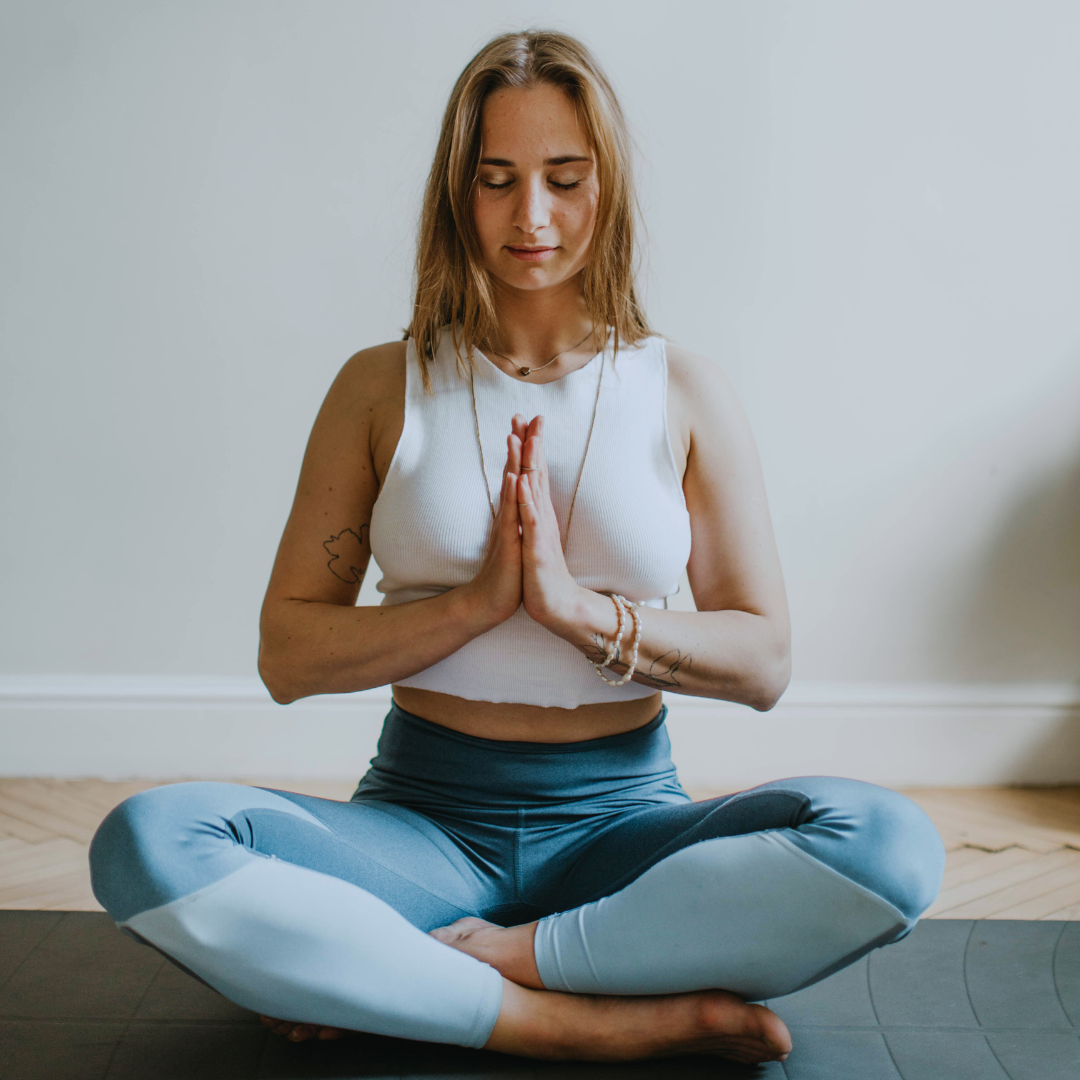
Easy Mindfulness Exercises for Stress Relief: Simple Techniques to Enhance Your Well-Being

Mindfulness exercises offer practical tools for reducing stress and enhancing overall well-being. Incorporating simple mindfulness techniques into daily routines can effectively help individuals manage anxiety and find moments of peace amid chaos. These exercises are accessible to everyone, regardless of experience level.
People often underestimate the power of being present. Mindfulness encourages a focus on the here and now, which can shift one’s perspective and minimize stress responses. Easy practices, such as mindful breathing and body scans, can be seamlessly integrated into busy schedules, making stress relief achievable.
By dedicating just a few minutes each day to mindfulness, individuals can create a positive impact on their mental health. Engaging with these exercises not only fosters calmness but also improves resilience when facing life’s challenges. Exploring various techniques can lead to a more balanced and serene existence.
Understanding Mindfulness and Its Role in Stress Relief
Mindfulness practices focus on cultivating present-moment awareness, which is essential for effective stress relief. By enhancing self-awareness, individuals can better recognize their stress responses and manage them effectively.
What Is Mindfulness?
Mindfulness is the practice of paying full attention to the present moment without judgment. It involves observing thoughts, feelings, and bodily sensations as they occur. Traditionally rooted in Buddhist teachings, mindfulness has been adapted in modern contexts, such as cognitive therapy and wellness practices.
Research shows that mindfulness can significantly enhance self-awareness. This heightened sense of awareness enables individuals to recognize stress triggers and habitual reactions. Mindfulness is often practiced through meditation, breathing exercises, and mindful movement, such as yoga.
How Mindfulness Reduces Stress
Mindfulness reduces stress by fostering a sense of calm and clarity. By encouraging individuals to focus on the present, it helps disrupt the cycle of rumination and anxiety. Engaging in mindfulness practices can decrease the body’s stress response, leading to lower levels of cortisol, the hormone associated with stress.
Through techniques like deep breathing and body scanning, mindfulness enables individuals to connect with their physical sensations. This connection often results in relaxation and an improved emotional state. Regular practice can change the brain’s response to stressors, promoting resilience and emotional stability.
Key Benefits of Practicing Mindfulness
Practicing mindfulness offers numerous benefits that extend beyond stress reduction. Key advantages include enhanced well-being, improved focus, and greater emotional regulation. Individuals often report increased clarity of thought and improved reactions to stressful situations.
Mindfulness fosters self-awareness, allowing individuals to understand their emotions more deeply. This understanding can lead to healthier coping mechanisms and reduce feelings of overwhelm. Studies indicate that consistent mindfulness practice can also lead to improved relationships, as individuals become more present and engaged with others.
Incorporating mindfulness into daily routines can yield significant improvements in mental health and overall quality of life.
Essential Mindfulness Exercises for Stress Relief
Mindfulness exercises can significantly alleviate stress by promoting relaxation and awareness. The following techniques provide practical methods for individuals seeking to incorporate mindfulness into their daily routines.
Mindful Breathing Techniques
Mindful breathing focuses on the rhythm of breathing to anchor thoughts and emotions. Individuals can start by finding a comfortable position—either sitting or lying down.
- Inhale deeply through the nose for a count of four.
- Hold your breath for a count of four.
- Exhale slowly through the mouth for a count of six.
Repeat this process for several minutes. This technique fosters relaxation, calms the nervous system, and increases awareness of bodily sensations. Regular practice can lead to heightened emotional regulation and reduced anxiety levels.
Progressive Muscle Relaxation
This technique involves tensing and relaxing different muscle groups in the body to relieve physical tension caused by stress. Begin by finding a quiet space.
- Start with the feet, tensing the muscles for five seconds before relaxing them completely.
- Move upward through the body—calves, thighs, abdomen, arms, and face.
Taking note of the contrast between tension and relaxation enhances awareness of physical sensations. Practicing this regularly can reduce muscle tightness and improve overall body awareness, contributing to stress relief.
Guided Imagery for Relaxation
Guided imagery uses visualization to enhance relaxation and reduce stress levels. Individuals should find a peaceful location and focus on their breath.
- Visualize a calming scene, such as a beach or a tranquil forest, where they feel safe and relaxed.
- Engage all the senses by imagining the sounds, sights, and even scents of the environment.
Listening to recorded sessions or scripts can be beneficial. This exercise promotes a deep state of relaxation and facilitates a mental escape from stressors. Practicing guided imagery regularly can foster mental clarity and emotional calm.
Mindfulness Practices to Incorporate Into Daily Life
Integrating mindfulness into daily activities can significantly enhance focus and reduce stress. Simple practices can be woven into routines to cultivate a sense of presence and calm.
Mindful Eating Habits
Mindful eating emphasizes awareness of the eating experience. It encourages focusing on the flavors, textures, and aromas of food. This practice starts by eliminating distractions. Turning off devices and sitting at a table creates a conducive environment.
Chewing slowly and savoring each bite increases enjoyment. Observing how food makes one feel can promote healthier choices. Keeping a journal can also be beneficial. Tracking what is eaten and how it feels afterward can deepen the understanding of one’s relationship with food.
Walking Meditation for Focus
Walking meditation is a grounding practice that combines movement with mindfulness. While walking, individuals can focus on the sensations in their feet and legs. This practice promotes awareness of breath and the environment.
To begin, choose a quiet space, whether indoors or outdoors. Walking slowly, they might count steps or repeat a word in sync with each footfall. This technique helps direct attention away from distractions and cultivates presence.
Incorporating a short walking meditation into daily routines, like during breaks or commutes, can lead to improved concentration and reduced anxiety.
Mantra Meditation for Calmness
Mantra meditation utilizes the repetition of words or phrases to center the mind. Selecting a mantra can be personal, such as “peace” or “calm.” By focusing on the mantra, an individual can reduce racing thoughts.
To practice, find a comfortable position and close your eyes. Repeating the mantra silently or aloud can improve focus and invite tranquility. Setting aside a few minutes daily allows this practice to become a regular part of life.
This practice can serve as a quick reset, making it easier to approach daily challenges with clarity and composure.
Enhancing Your Stress Relief Routine With Mindfulness
Incorporating mindfulness into a stress relief routine can significantly improve mental well-being. Mindfulness techniques can enhance self-care practices, promote self-compassion, and cultivate gratitude, all of which contribute to effective stress management.
Building Mindfulness Into Self-Care
Integrating mindfulness into self-care enhances its effectiveness. Simple practices like mindful breathing or observing thoughts can ground individuals during stressful moments. Establishing a daily routine that includes mindfulness activities can create a reliable tool for managing anxiety.
One effective method is dedicating 10 minutes a day to mindfulness meditation. This can involve focusing on the breath or repeating a calming mantra. Keeping a self-care checklist helps track activities and ensures that mindfulness remains a priority.
Practicing Self-Compassion and Gratitude
Self-compassion and gratitude are critical components of mindfulness. Acknowledging personal struggles and treating oneself with kindness can alleviate feelings of stress. This practice encourages individuals to recognize that imperfection is part of being human.
Practicing gratitude can also shift focus from stressors to positive aspects of life. Keeping a gratitude journal, where one lists things they appreciate daily, fosters a more positive mindset. This simple shift can enhance emotional resilience and reduce stress.
Tips for Maintaining Mindfulness Practices
Consistency is key to maintaining mindfulness practices. Setting specific times each day can turn mindfulness into a habit. Using reminders, such as alarms or sticky notes, can keep the commitment front of mind.
Diverse techniques can add variety to the practice. Engaging in mindful walking or yoga can strengthen concentration while making the experience enjoyable. Joining a mindfulness group or class may provide additional motivation and support in cultivating these practices.