

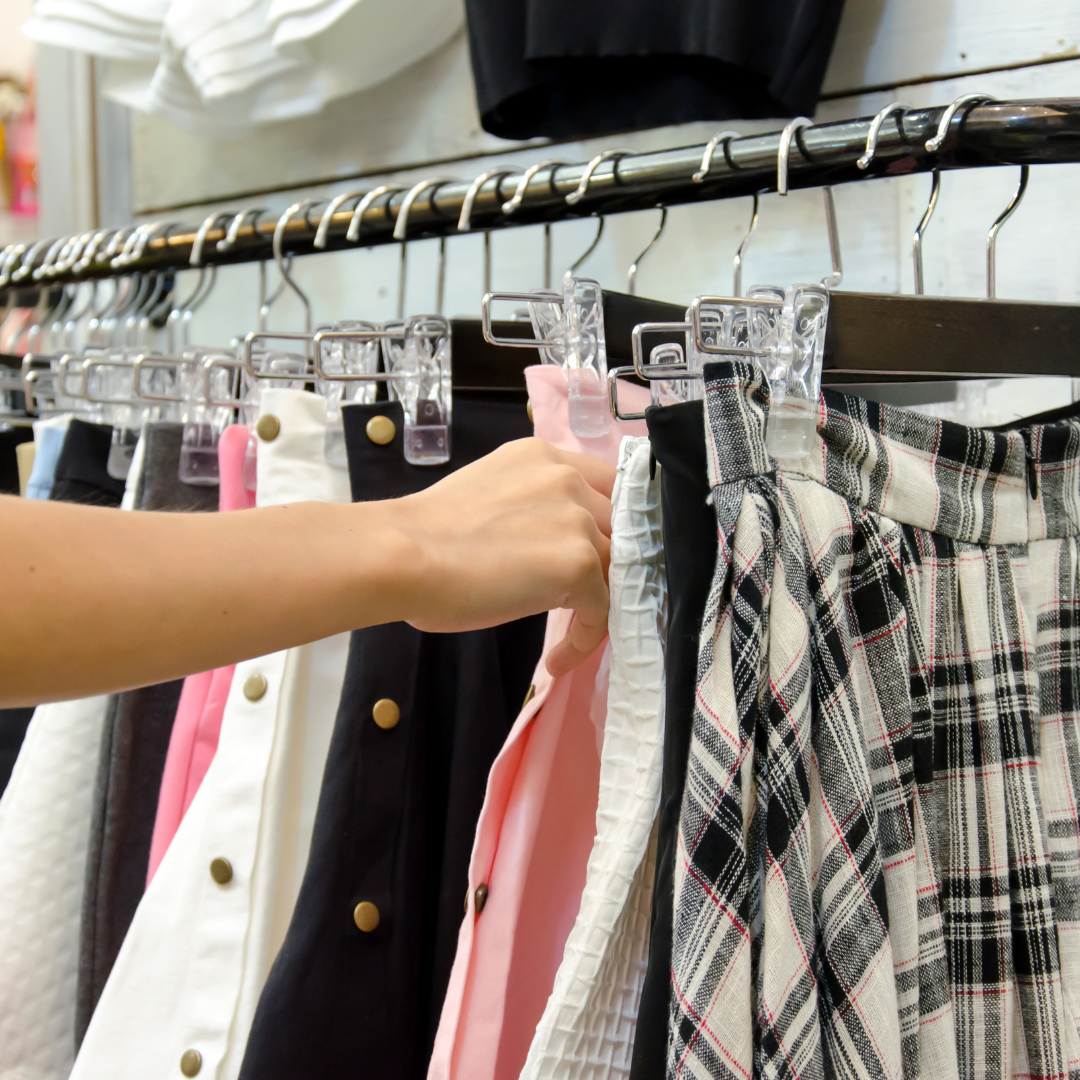
Common Fashion Mistakes: Avoid These Missteps for a Flawless Look

Fashion is a powerful form of self-expression, yet many individuals unknowingly fall into common pitfalls that hinder their style. Identifying and avoiding these mistakes can elevate anyone’s wardrobe and confidence. From mismatched colors to inappropriate dress codes, understanding these traps is essential for anyone looking to refine their fashion sense.
Many people tend to overlook the importance of fit, often wearing clothes that are either too tight or too loose. This can alter the overall appearance and detract from even the most stylish ensembles. Recognizing how clothing should fit can make a significant difference in how an outfit is perceived.
Accessory choices also play a critical role in completing a look. An overabundance of accessories can overwhelm an outfit, while the wrong choices can lead to a lack of cohesiveness. A balanced approach to accessorizing can enhance personal style and make a statement without overwhelming the overall look.
Understanding Body Types and Proportions
Fashion choices can significantly impact how individual body types are perceived. Recognizing one’s body type helps in selecting flattering clothing. Here are the main body types:
- Apple Shape: Characterized by broader shoulders and a fuller bust. Clothes should emphasize the legs and waist.
- Pear Shape: Features wider hips with a smaller bust. A-line skirts and fitted tops can create balance.
- Hourglass Shape: Defined by a well-proportioned bust and hips. Emphasizing the waist with belts or fitted dresses suits this type.
- Rectangle Shape: Similar width in shoulders, waist, and hips. Layering pieces can add shape, while belts help define the waist.
- Inverted Triangle Shape: Broader shoulders with narrower hips. V-neck tops and A-line skirts can tone down the upper body.
Understanding proportions is equally crucial. Here are some tips:
- Vertical Lines: Vertical stripes can elongate the figure.
- Fit: Ensure that clothes fit well; too tight or too loose can create visual issues.
- Tailoring: Customized adjustments can enhance the silhouette significantly.
The right clothing can enhance body shape appreciation, leading to more confident style choices. Awareness of body types can help in creating a balanced and proportionate look. If you feel uncomfortable with your body then you are not alone. So many people feel the same way which is why they will do a variety of things to make themselves feel good. From speaking with plastic surgery experts in Miami to developing a fitness regime. It is all about the individual and what they want to do.
For some people, though, clothing adjustments are only part of the journey to body confidence. Many individuals choose to explore cosmetic procedures to achieve the proportions they want. When considering these options, finding a qualified and experienced medical professional is a major step. Consulting with the best plastic surgeons in nyc can help people understand what is possible for their specific goals. This process allows patients to make informed decisions about their bodies. Ultimately, the goal is to feel comfortable and happy in your own skin.
Selecting the Right Colors
Choosing the right colors can greatly enhance one’s appearance and confidence. Understanding how colors work with skin tones and applying color coordination principles can make a significant difference in a wardrobe.
Complementing Skin Tone
Skin tones can be categorized into three main types: cool, warm, and neutral.
- Cool undertones typically have hints of pink, red, or blue. Suitable colors include jewel tones like emerald, sapphire, and amethyst.
- Warm undertones have a golden or peachy hue. Earthy tones, such as orange, brown, and yellow, work well for these individuals.
- Neutral undertones can wear a mix of both cool and warm tones like blush pink or soft gray.
Identifying one’s skin tone is key. Simple tests include observing the veins on the wrist or noting how skin reacts to sun exposure.
Color Coordination Principles
Effective color coordination enhances the overall outfit. A few basic principles to follow include:
- The Color Wheel: Using complementary colors (opposites on the wheel) can create striking contrasts. For example, pairing blue with orange elevates visual interest.
- Monochromatic Schemes: Sticking to a single color in varying shades provides a sophisticated look without overwhelming the eye.
- Analogous Colors: Selecting colors next to each other on the wheel fosters harmony. For example, yellow, orange, and red create a warm palette.
Understanding these principles helps in creating outfits that are both stylish and cohesive, elevating everyday looks.
Balancing Patterns and Textures
Achieving the right balance of patterns and textures in an outfit can enhance visual appeal and express personal style. Understanding how to mix them effectively is crucial for creating a cohesive look.
Mixing Patterns Intelligently
When mixing patterns, it’s essential to consider scale and color. Pairing a large floral print with a smaller geometric design can create a harmonious effect. Aim for a color palette that includes a common hue to unify contrasting patterns.
For example, if one piece features navy and white stripes, introducing a polka dot or floral piece that also incorporates navy can help blend the two styles seamlessly.
In addition, using different patterns in the same color family can add depth. However, ensure that the patterns do not compete for attention. An imbalance can lead to a chaotic appearance rather than a sophisticated one.
Choosing Textures for the Occasion
Textures can elevate an outfit, adding dimension and interest. Selecting the right texture is essential based on the occasion. For formal events, opt for rich fabrics like silk or velvet. These materials convey elegance and sophistication.
In contrast, casual settings can embrace more relaxed textures, such as cotton or linen. These fabrics often create a laid-back vibe suitable for everyday wear.
Layering different textures can also enhance an outfit. For instance, pairing a chunky knit sweater with a silky skirt creates a striking combination. Keep in mind that texture contrasts should be chosen thoughtfully to maintain balance.
Focusing on Fit Over Fashion
Prioritizing fit is essential in achieving a polished look. Ill-fitting clothes can detract from one’s appearance, regardless of the latest trends or styles. Tailoring can be a game changer for enhancing the silhouette and overall outfit.
Avoiding Ill-Fitting Clothes
Ill-fitting clothes can lead to a variety of fashion faux pas. A garment that is too tight can create discomfort and restrict movement, while clothes that are overly loose can appear sloppy. Key areas to examine include the shoulders, waist, and hem.
Signs of poor fit include:
- Shoulders: Seams should align with the natural shoulder line.
- Waist: There should be no gaping in blouses or dresses.
- Length: Trousers should graze the tops of shoes without dragging.
Choosing clothes that fit well improves both comfort and appearance. Investing in quality basics in the right sizes is a foundational step in avoiding ill-fitting issues.
Importance of Tailoring
Tailoring transforms standard garments into customized pieces. A well-tailored outfit fits an individual’s unique shape, enhancing their style. Many people overlook that alterations can make a significant difference.
Common alterations include:
- Taking in sides or waist to create a snug fit.
- Shortening sleeves or hems for improved proportion.
- Adjusting bust seams on dresses for better shape.
Tailoring is an investment that yields versatile clothing options. A few strategic adjustments can allow a wardrobe to feel fresh and flattering, ensuring the wearer looks their best in any situation.
Appropriate Attire for Different Settings
Choosing the right attire is essential for making a good impression in various environments. Specific contexts demand particular styles that reflect professionalism or casualness. For instance, it would be odd to wear a tuxedo to a laid back game night at your local bar. Instead, you can opt for a graphic tee with some well-fitted jeans to achieve a fun casual look. You can check out Chummy Tees or other similar brands that sell cool and trendy graphic tees to pick the best outfit for your casual day out.
In professional settings, attire should always align with company culture. Business formal usually includes tailored suits for men and women, complemented by dress shirts and appropriate footwear. Key elements include: Business casual allows for slightly more relaxed attire, such as chinos for men paired with collared shirts, and blouses or tailored pants for women. Casual attire allows for personal expression while still adhering to some basic guidelines. It’s important to maintain a balance between comfort and appropriateness. Dos: Don’ts: With these guidelines, individuals can navigate different settings effortlessly. Effective accessorizing can elevate an outfit, enhance personal style, and create visual interest. It is important to know when to accessorize and how to select accessories that complement overall looks. Timing is key in fashion. Not every outfit requires accessories. Basic outfits may benefit from a few key items to add flair, while already intricate ensembles might require minimal adornments. For example: Assess the outfit’s complexity. If it’s bold or patterned, consider fewer accessories. Alternatively, a minimalist outfit can shine with more elaborate accessories. She or he should also take into account the occasion, as certain events call for specific styles of accessorizing. Selecting the right accessories can make or break an outfit. Color coordination is crucial. Accessories should either match or contrast harmoniously with clothing. Consider this list when selecting accessories: Personal style matters, too. Accessories can reflect individuality, so it’s important to choose items that resonate with personal taste. High-quality pieces often provide a luxury feel, while unique finds can offer a personal touch. Choosing the right footwear is essential in completing an outfit. Properly matched shoes can elevate a look, while comfort should never be overlooked. Selecting shoes that complement an outfit is crucial. Heels often pair well with formal attire, while sneakers offer a laid-back vibe for casual outfits. Key Considerations: Understanding these elements helps in making effective footwear choices. Comfort plays a vital role in footwear selection. Uncomfortable shoes can distract from confidence and poise throughout the day. Factors to Consider: Finding a balance between aesthetics and comfort ensures that footwear enhances both appearance and ease of movement. Seasonal wardrobe adjustments are essential for maintaining style and comfort throughout the year. Properly transitioning clothing helps to avoid common fashion mistakes. Key Areas for Adjustment: Checklist for Seasonal Changes: Common Mistakes to Avoid: Adjusting the wardrobe seasonally enhances style and ensures appropriate attire for varying weather conditions. Attention to fabric selection and fit aids in avoiding pitfalls associated with outdated fashion choices. Proper maintenance of clothing enhances longevity and preserves appearance. Attention to laundry practices and garment storage can prevent common wear and tear. Where you keep your clothes and how you handle them is essential as poor methods can cause them to look and smell awful. If you can, make sure that you are able to store them in a room that has air conditioning. This will keep mold and mildew away which has the power to spread in humid environments. Call in Gulf Breeze air conditioning repair services, or similar, to come and take a look at your system if you think that it may be slowing down or not cooling the area properly. Your clothes will thank you for it. Using appropriate laundry methods is crucial. Always check care labels for specific washing instructions. Key Practices: Using the right detergent is also essential. Choose a gentle detergent for sensitive skin and avoid excessive use, as this can leave residue on clothing. Proper storage prevents damage and maintains garment shape. Storage Tips: Protection Against Pests: Regular checks on stored clothing will ensure they remain in good condition and ready for use. Over-branding occurs when a person excessively showcases brand logos or labels in their outfit. This can create a chaotic look that may detract from personal style. To maintain a polished appearance, consider the following tips: Personal style is best showcased through thoughtful choices. Avoiding over-branding allows for creativity while still respecting the influence of designer items.Dressing for the Workplace
Casual Wear Dos and Don’ts
Accessorizing Wisely
Knowing When to Accessorize
Choosing the Right Accessories
Footwear Fundamentals
Matching Shoes with the Outfit
Prioritizing Comfort and Style
Seasonal Wardrobe Adjustments
Maintaining Clothes Properly
Good Laundry Practices
Storing Garments Correctly
Avoiding Over-Branding
Examples of Over-Branding
Scenario
Effect
Multiple logo tees
Cluttered and distracting look
Matching brand items
Lacks individuality
Excessive accessories
Competes for attention