

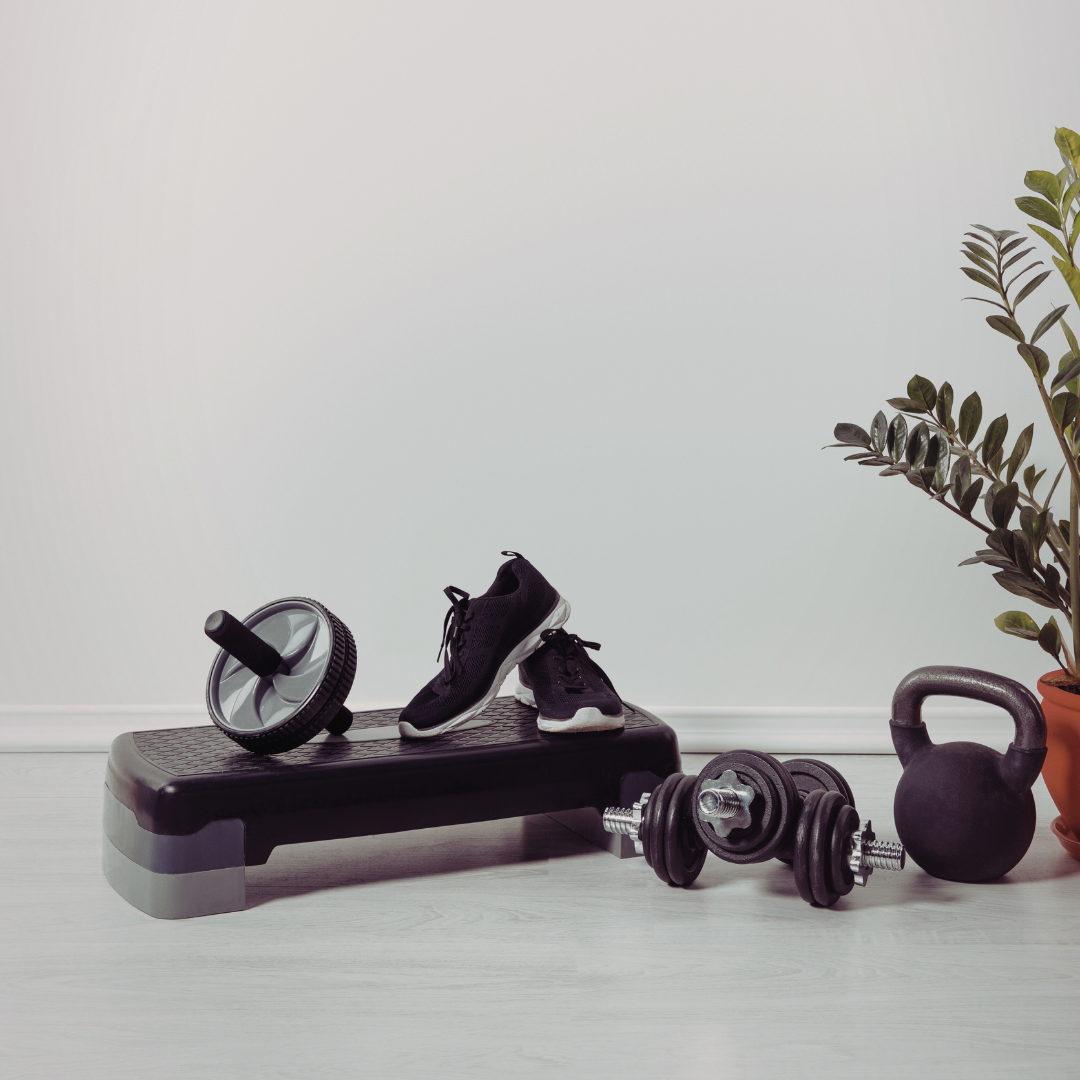
Budget Home Gym Setup Ideas for Effective Workouts on a Tight Budget

Creating a functional home gym doesn’t have to be expensive or complicated. A budget home gym setup can be achieved with a few essential pieces of equipment and smart space management. This approach allows you to stay active without overspending or sacrificing quality.
You don’t need to fill a room with costly machines to get a good workout. Simple items like resistance bands, dumbbells, and a yoga mat can cover a wide range of exercises, supporting strength, flexibility, and cardio training.
By focusing on versatile gear and maximizing small areas, you can build an effective workout space that fits your lifestyle and budget. This guide will help you discover practical ideas to get started.
Essential Equipment for a Budget Home Gym
Selecting the right equipment is key to building a functional and affordable home gym. Prioritize tools that offer multiple uses, save space, and support core fitness goals like cardio, strength, and flexibility.
Top Affordable Cardio Options
Jump ropes are an excellent, low-cost choice for cardiovascular exercise. They require minimal space and provide high-intensity workouts that improve coordination and endurance.
Another affordable option is a foldable mini stepper. It fits easily under a desk or in a closet and targets the lower body with low impact. Walking or jogging in place using an inexpensive aerobic step platform can also boost your heart rate.
Basic stationary bikes and compact elliptical trainers occasionally appear on sale and provide longer workout sessions with less joint stress. When space and budget are tight, bodyweight cardio moves like high knees or burpees remain effective alternatives without any equipment.
Versatile Strength Training Tools
Adjustable dumbbells offer versatility by combining multiple weight sizes into one compact product. They save space and are suitable for a wide range of exercises targeting different muscle groups.
Resistance bands are low-cost, portable, and allow for variable resistance training. They suit users of all fitness levels and work well for strength exercises, stretching, and physical therapy.
A sturdy pull-up bar, often installed in door frames, adds upper body strength options without a large footprint. Consider combining these tools for a complete strength training setup within a modest budget.
Space-Saving Fitness Accessories
Foldable mats provide cushioning for floor exercises and stretch routines and can be easily stored after use. They protect joints while keeping your workout area clean.
Compact kettlebells take up less space than traditional weights and offer dynamic workouts involving strength, balance, and cardio. A stability ball doubles as a core training tool and a seat to improve posture during downtime.
Wall-mounted racks or storage solutions help keep equipment organized and accessible. Prioritize items that fit your available space without cluttering your home to maintain a safe environment.
Planning Your Home Gym Space
Setting up a home gym requires careful thought about space, layout, and storage. Prioritizing these elements ensures your gym is functional without overcrowding your living area.
Assessing Available Area
Identify the exact space dedicated to your gym. Measure its dimensions, noting any windows, doors, or other obstacles. This helps determine which equipment will fit comfortably.
Consider ceiling height, especially if you want to use equipment like a jump rope or overhead weights. Lighting and ventilation should also be evaluated to maintain a safe, comfortable workout environment.
Use tape or floor markers to outline how different pieces of equipment will fit. This avoids overcrowding and ensures ease of movement.
Optimal Layout Strategies
Place larger equipment against walls to maximize open floor space. Keep frequently used items within easy reach and create a clear walking path to avoid accidents.
Designate zones for different workout types, such as strength training, cardio, and stretching. This separation helps maintain organization and flow during workouts.
If space is tight, prioritize multi-functional equipment. Folding or stackable items can be stored after use, freeing space quickly.
Storage Solutions for Small Spaces
Use vertical storage options like wall-mounted racks or shelves for weights, bands, and smaller gear. Hooks or pegboards can keep jump ropes, resistance bands, and towels off the floor.
Rolling carts or bins offer flexible storage that can be moved as needed. Label storage containers to quickly find and return items.
Furniture with hidden compartments, such as benches with storage, can double as workout aids and help keep the area tidy.
Maximizing Value: Where to Find Budget-Friendly Gym Gear
Finding affordable gym equipment requires knowing where to shop and understanding the pros and cons of new versus used gear. Prioritizing trusted sources and evaluating conditions can save money while ensuring safety and durability.
Best Stores and Websites for Deals
Websites like Amazon, Walmart, and Target often have discounts on basic gym equipment such as dumbbells, resistance bands, and yoga mats. Seasonal sales during holidays like Black Friday or New Year’s offer significant savings.
For specialized gear, Dick’s Sporting Goods and Academy Sports + Outdoors balance price and quality. Their clearance sections can include weight sets and cardio machines at reduced prices.
Online marketplaces like eBay and Facebook Marketplace may also have new items listed below retail prices, but buyer protection is crucial.
Buying Used Versus New Equipment
Used equipment can cut costs by 30-70%. Platforms like Craigslist and OfferUp offer items ranging from treadmills to kettlebells. However, inspect equipment carefully for wear, rust, or malfunction before purchase.
New equipment offers warranties and better condition, but at a higher cost. Prioritize buying new electronics or items with moving parts, like ellipticals. For simpler items like mats or weights, used gear is often sufficient if well-maintained.
DIY and Creative Alternatives for Home Gym Gear
Building a home gym doesn’t require expensive equipment. Many exercises can be supported by inexpensive or homemade gear crafted from household materials. Simple tools often work as well as commercial options when designed thoughtfully.
Homemade Weights and Resistance Tools
Sandbags are a versatile weight option. Use durable, sealed plastic bags filled with sand or rice, then place them inside a sturdy backpack or duffel bag. Adjust the weight by adding or removing contents.
Water bottles or milk jugs filled with water or sand serve as effective dumbbells. Secure the lids to prevent leaks. Use duct tape around handles for a better grip.
Resistance bands can be made from old inner tubes or cut pieces of elastic fabric. These homemade bands provide resistance for strength training without heavy lifting. Tie knots or attach handles from old gloves for easier use.
Upcycling Everyday Items for Fitness
Household items like chairs can replace benches for step-ups or tricep dips. Ensure stability before use.
Towels are useful for slides on hardwood or tile floors, allowing for low-impact core exercises and lunges.
Brooms or mop handles double as balance tools or lightweight bars for stretching and mobility drills. Secure ends with tape if needed for comfort and grip.
Using found objects creatively saves money and space while maintaining workout effectiveness.
Designing Effective Workouts with Limited Equipment
Maximizing limited gym gear requires smart planning and exercise selection. Combining multiple muscle groups, leveraging your bodyweight, and gradually increasing difficulty are key strategies to build strength and endurance without spending more.
Full-Body Routines at Home
Focusing on full-body workouts ensures efficiency by engaging several muscle groups in one session. Compound movements such as squats, push-ups, and bent-over rows (using dumbbells or resistance bands) optimize time and results.
Plan workouts with 3-4 exercises, targeting legs, back, chest, and core. Example routine:
- Squats (3 sets, 12 reps)
- Push-ups (3 sets, 10-15 reps)
- Bent-over rows with bands (3 sets, 12 reps)
- Planks (3 sets, hold 30-45 seconds)
This balanced approach improves overall strength and reduces the need for specialized equipment.
Incorporating Bodyweight Exercises
Bodyweight exercises provide versatile and effective strength training without extra costs. Movements like lunges, dips (using a sturdy chair), and mountain climbers build strength and improve coordination.
To avoid plateaus, vary your tempo and range of motion. For example, slow down push-ups or perform single-leg squats. Combining dynamic moves like jump squats with static holds increases intensity without equipment.
These exercises adapt easily to different fitness levels, allowing gradual improvement by adjusting repetitions or time under tension.
Routine Progression Without Extra Cost
Progression is essential for continuous improvement and avoiding stagnation. Increase difficulty through:
- Adding sets or reps
- Decreasing rest time between sets
- Performing exercises slower or with more control
You can also modify leverage, like elevating feet during push-ups or using a backpack with weights.
Tracking progress weekly helps identify when to apply changes. This method keeps the workout challenging and effective without needing new equipment or gym memberships.
Safety and Maintenance Tips for a Home Gym
Creating a safe workout environment and properly caring for your gear will extend the life of your equipment while reducing the risk of injury. Pay close attention to spacing, flooring, and cleaning routines.
Preventing Injuries in a Compact Space
In small home gyms, clear pathways are essential. Keep equipment organized and avoid clutter to prevent trips and falls. Use rubber mats or foam flooring to reduce impact and provide grip.
Check that weights and machines have secure fastenings. Always warm up before exercising to prepare muscles and joints for movement. Avoid overcrowding by limiting the number of tools you use at once.
Proper lighting helps you maintain form and safely handle equipment. Consider wall mirrors to monitor posture and technique, which can prevent strain or injury during workouts.
Maintaining Equipment on a Budget
Regular cleaning prevents dust and sweat buildup, which can degrade equipment. Use a damp cloth and mild detergent; avoid harsh chemicals that can damage surfaces.
Lubricate moving parts like treadmill belts or adjustable machines every few months. This keeps the mechanisms smooth and extends usability without needing costly repairs.
Inspect cables, bolts, and weight stacks monthly. Tighten loose parts promptly to avoid malfunction during exercise. If any equipment shows excessive wear, prioritize maintenance or replacement based on your budget.
Enhancing Motivation and Consistency in Your Home Gym
Maintaining motivation and consistency is key to long-term fitness success at home. Simple adjustments to your space and tracking methods can keep you focused without needing costly equipment or complex setups.
Creating an Inspiring Workout Environment
Arrange your gym area to encourage regular use. Good lighting, either natural or bright LED, makes the space more inviting and helps maintain energy during workouts. Keep the area tidy and free of clutter to reduce distractions.
Add personal touches like motivational quotes or posters that reflect your fitness goals. Use a mirror to check form and visually connect with your progress. Place your equipment within easy reach to minimize setup time.
Choose flooring that suits your activities and feels comfortable underfoot, such as rubber mats. A well-ventilated space with a fan or open window improves air quality and workout comfort.
Tracking Progress Without Expensive Tech
Tracking progress can be simple and effective without smart devices. Use a notebook or printable workout log to record sets, reps, weights, and times. Review it weekly to identify improvements or plateaus.
Consider taking progress photos every month under similar conditions to visually track physical changes. Measuring body metrics with a tape measure is another low-cost option for monitoring changes in size and shape.
Set short-term, measurable goals like increasing repetitions or workout duration. Celebrate when you hit milestones to reinforce motivation and build consistency over time.
Expanding Your Home Gym Over Time
Building a home gym gradually helps spread out costs and adapts your setup to your evolving fitness needs. Thoughtful planning ensures each upgrade adds real value and fits smoothly into your space and routine.
Prioritizing Upgrades as Your Budget Grows
Start by identifying the most versatile and frequently used equipment. Free weights like adjustable dumbbells or kettlebells offer a range of exercises and are space-efficient.
Next, consider adding items that address gaps in your workout. For example, a bench for presses and rows or a pull-up bar for upper body strength can significantly expand exercise options.
Focus on durability and long-term use. Avoid trend-driven purchases in favor of classic pieces that support multiple training styles. Prioritize safety and quality over quantity.
Integrating New Equipment Strategically
Add equipment that complements what you already have rather than duplicates it. For example, if you have weights, incorporating a resistance band set can add different resistance without extra bulk.
Think about storage and layout when selecting gear. Foldable or compact equipment keeps your space functional and avoids clutter.
Integrate tools that match your workout goals. Runners might add a treadmill later, while strength trainers might focus on racks or more weights. Plan upgrades to build a cohesive, personalized gym.