

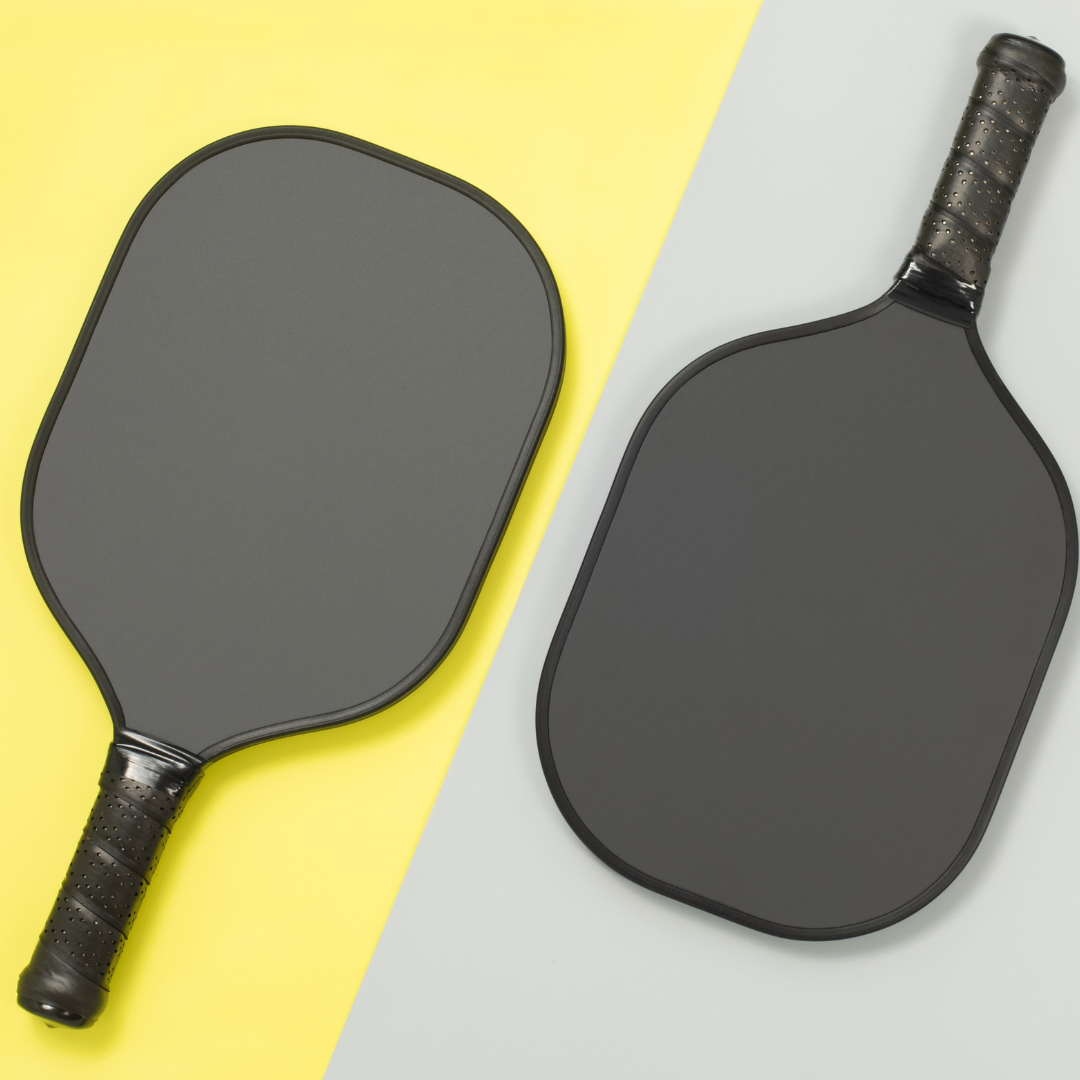
7 Things To Consider When Buying Your First Pickle Ball Paddle Set

If you’re just getting started with pickleball, you’re in for a treat. It’s fast-paced, fun, and social—a sport that’s easy to pick up but endlessly rewarding to master. One of the first steps to dive in is choosing the right equipment, and let’s be honest, your paddle can make or break your game. But where do you even start?
1. Weight – Light, Medium, or Heavy?
The weight of your paddle is a game-changer. A lighter paddle is easier to maneuver, making it a great choice for beginners or anyone focusing on control. However, a heavy paddle can add power to your shots, perfect for those who like a more aggressive playstyle.
Most paddles fall into one of these categories:
- Lightweight (6-7 ounces) – Offers quick wrist action and control but may lack power.
- Midweight (7-8.5 ounces) – The best of both worlds, striking a balance between power and control.
- Heavyweight (8.5+ ounces) – Delivers power-packed shots but can tire your arm over long matches.
Think about your play style—or if you’re just starting, test a few options to see what feels right in your hand.
2. Paddle Material – What’s It Made Of?
Not all paddles are created equal. The material of your pickle ball paddle set impacts everything from how the paddle feels to how the ball reacts off its surface. Here are the three most common materials you’ll come across:
- Wood – The most affordable option, great for beginners on a budget. However, it’s heavier and may lack finesse.
- Composite – A mid-range option that balances power and control. Composite paddles often have textured surfaces, making them great for spin shots.
- Graphite – Lightweight and responsive, graphite paddles are a favorite among more experienced players looking for precision.
As a first-time buyer, a composite paddle might be the best mix of performance and affordability.
3. Grip Size – Does It Fit Your Hand?
A comfortable grip can mean the difference between a solid game and constant wrist fatigue. Paddles come in different grip sizes, typically ranging from 4 inches to 4.5 inches in circumference. Choosing the right size is simple:
Smaller hands? Go for a smaller grip (4-4.25 inches).
Larger hands? Opt for a larger grip (4.5 inches).
Still not sure? A smaller grip offers better control and flexibility, while a larger grip provides more stability and reduces strain on your arm. If in doubt, go smaller—you can always add an overgrip for extra thickness.
4. Paddle Shape – Standard or Specialty?
The shape of your paddle affects your sweet spot—the optimal area for hitting the ball. While the traditional paddle shape is rectangular and well-balanced, there are specialty shapes designed for specific playstyles:
- Elongated – Offers a longer reach but a smaller sweet spot. Ideal for players who like playing from the backcourt.
- Wide-body – Provides a larger sweet spot, making it a forgiving choice for beginners.
- Traditional – Balances reach and control, making it versatile for most players.
If you’re just starting, a standard paddle shape with a wide-body design can boost your confidence and help you make solid contact more often.
5. Durability – Will It Last?
Pickleball paddles aren’t something you want to replace every few months. Durability comes down to the materials and quality of construction. While wooden paddles may be budget-friendly, they tend to wear down quickly compared to composite or graphite paddles.
Check the edge guard—this protects the paddle from dings and damage during play. A well-constructed paddle with a sturdy edge guard will hold up better over time, even if it takes a few knocks on the court.
6. What’s in the Set?
When buying your first pickle ball set, think beyond just the paddles. Many sets include extras like balls, a carrying case, or even wristbands. While these might seem like minor additions, they’re helpful for starting out. You won’t have to worry about purchasing accessories separately.
Some sets include paddles designed for doubles play, which may come with two or four paddles. If you’re planning to play with family or friends, a larger set is a smart investment. Just make sure the quality of the paddles matches your needs—extras are great, but the paddle itself should still take priority.
7. Price – What’s Your Budget?
Your budget plays a big role, but it’s important to get the best value rather than just going for the cheapest option. While wooden paddles might be tempting for their low cost, upgrading to composite or graphite will significantly improve your game and last longer.
For beginners, spending around $50-$100 on a set is reasonable. At this price point, you can find a quality pickle ball paddle set with reliable paddles and a few extras. As your skill improves, you can always upgrade to a higher-end paddle if needed.
Finding the Right Paddle for You
Choosing your first pickleball paddle is all about finding what feels comfortable and suits your playstyle. It’s worth taking the time to consider weight, material, grip size, shape, and durability so you can focus on enjoying the game rather than fussing with your equipment.
Ready to hit the court? With the right paddle in hand, you’ll be serving up wins in no time.